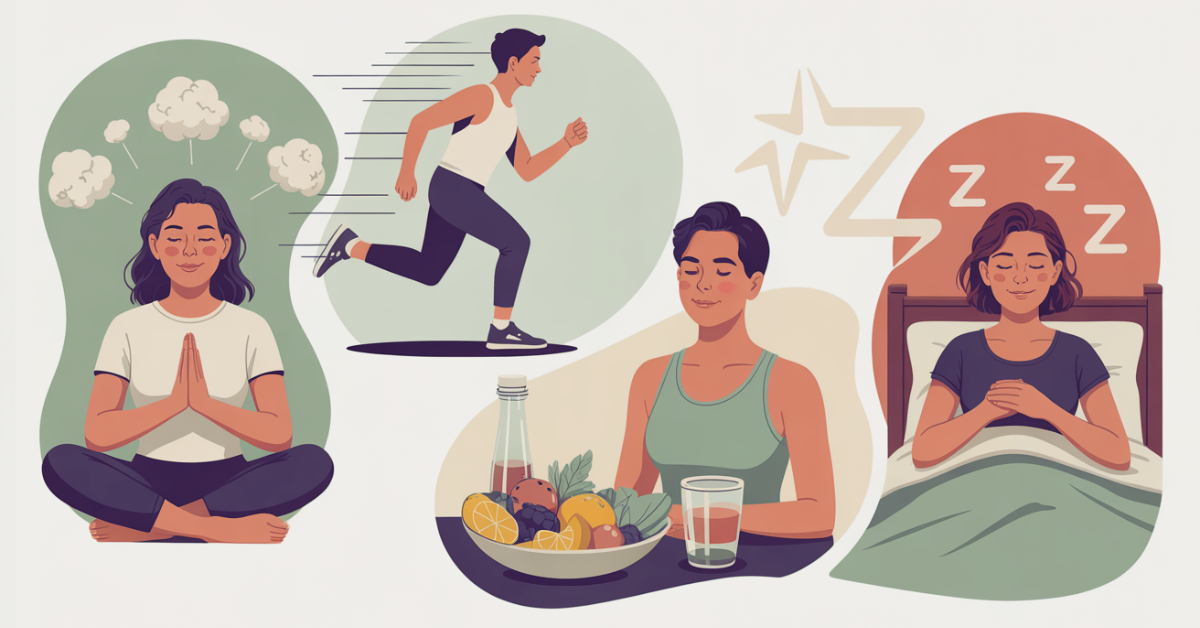
Taking care of your mental wellness doesn’t have to mean overhauling your life. Honestly, it’s often the small, steady things you do each day that matter most. Simple daily habits like mindful breathing, regular movement, balanced meals, and quality sleep can support better mental health and emotional well-being. These practices provide a foundation for handling stress, staying focused, and feeling more balanced most of the time.
As mental health awareness keeps growing, more people are realizing that building a lifestyle for mental health is every bit as important as hitting the gym. If you weave self-care habits and mindfulness into your regular routine, you can actually make a real dent in your stress and mood. And, really, these habits don’t have to be a big production; consistency is what counts.
This guide digs into practical ways to improve your mental wellness day by day. We’ll look at stress management, self-care routines, and a handful of straightforward tips for boosting your mood and resilience, all in a way that fits into real life.
Why Daily Habits Matter for Mental Wellness
The routines you stick with shape how you manage stress, regulate emotions, and bounce back from setbacks. Sleep, movement, and connecting with others, these basics give your mind and body a sense of stability that can dial down stress hormones and support emotional well-being.
How Small Changes Impact Mental Health
Tiny tweaks in your daily routine can actually add up. Say you start taking a 10-minute walk suddenly, your mood lifts a bit, you sleep better, and your body’s stress response chills out. Not magic, but it works.
Mindful breathing, balanced meals, and just drinking enough water help keep your energy and focus steadier. They won’t erase stress from your life, but they do make it feel less like an avalanche.
Having a routine also means you’re not constantly making decisions about what to do next. That’s less mental fatigue, more energy left over for the tough stuff.
Building Consistency for Emotional Well-Being
Honestly, doing a little bit every day beats going all-in once in a while. Someone who meditates for five minutes a day will probably see more benefits than someone who does an hour-long session once a month. Regularity gives your brain and body a sense of predictability, which can be surprisingly calming.
Daily rhythms, such as a set bedtime or regular mealtimes, help keep your mood and sleep cycles more consistent. It doesn’t have to be rigid, just regular enough that your body knows what to expect.
People who maintain self-care habits, whether it’s journaling, stretching, or just texting a friend, tend to bounce back from stress more quickly. Over time, those routines become a kind of safety net.
The Science Behind Habit Formation
Habits stick through repetition and positive feedback. Do something enough times in the same context, and your brain builds shortcuts so it feels automatic. That means less willpower is needed every time.
Science supports this: regular exercise boosts endorphins and lowers anxiety, and a consistent sleep routine helps keep stress hormones in check.
Starting small is key. A five-minute walk or jotting down one thing you’re grateful for can build momentum. Over time, these habits become second nature, giving you a sturdier base for mental wellness.
Core Simple Habits for Better Mental Health

Daily self-care doesn’t have to be fancy. Gratitude, movement, and a few mindful breaths can genuinely shift your mood and help you handle stress.
Gratitude and Journaling Practices
Gratitude gives you a break from focusing on what’s missing. A gratitude journal, just a quick note about a kind word or a tiny win, can make you more aware of the good stuff. Over time, your mood might start to tilt a little more positive.
Journaling is generally a good way to organize your thoughts. Writing out worries or just reflecting on your day can make things feel less tangled.
Try this:
- Write down three things you’re grateful for
- Note one positive thing that happened
- Reflect on a lesson from the day’s challenges
It’s simple, but it helps you stay grounded.
Physical Activity and Exercise
Physical activity isn’t just for your body; it’s a mood booster. Even a short walk or some stretching can help clear your head and lift your energy.
Yoga blends movement and breath, which is excellent for both flexibility and calming your nervous system. If you’re not a yoga person, cycling, swimming, or dancing work too.
Aim for about 30 minutes of movement most days, but don’t stress if you break it up into two 15-minute sessions; they totally count. Consistency is what really makes the difference.
Daily Mindfulness and Deep Breathing
Mindfulness is about paying attention to the present moment. Even a few minutes can slow racing thoughts and ease stress. Focusing on your breath or the feeling of your feet on the floor can anchor you.
Deep breathing is a go-to for calming your system. Try inhaling through your nose, holding for a few seconds, and exhaling slowly; your body will thank you.
A few easy ways to start:
- 4-7-8 breathing (inhale 4, hold 7, exhale 8)
- Take five slow breaths before starting something stressful
- Use a guided breathing app if you want more structure
These tiny practices can really help lay the groundwork for better mental wellness.
Healthy Lifestyle Choices for Mental Wellness
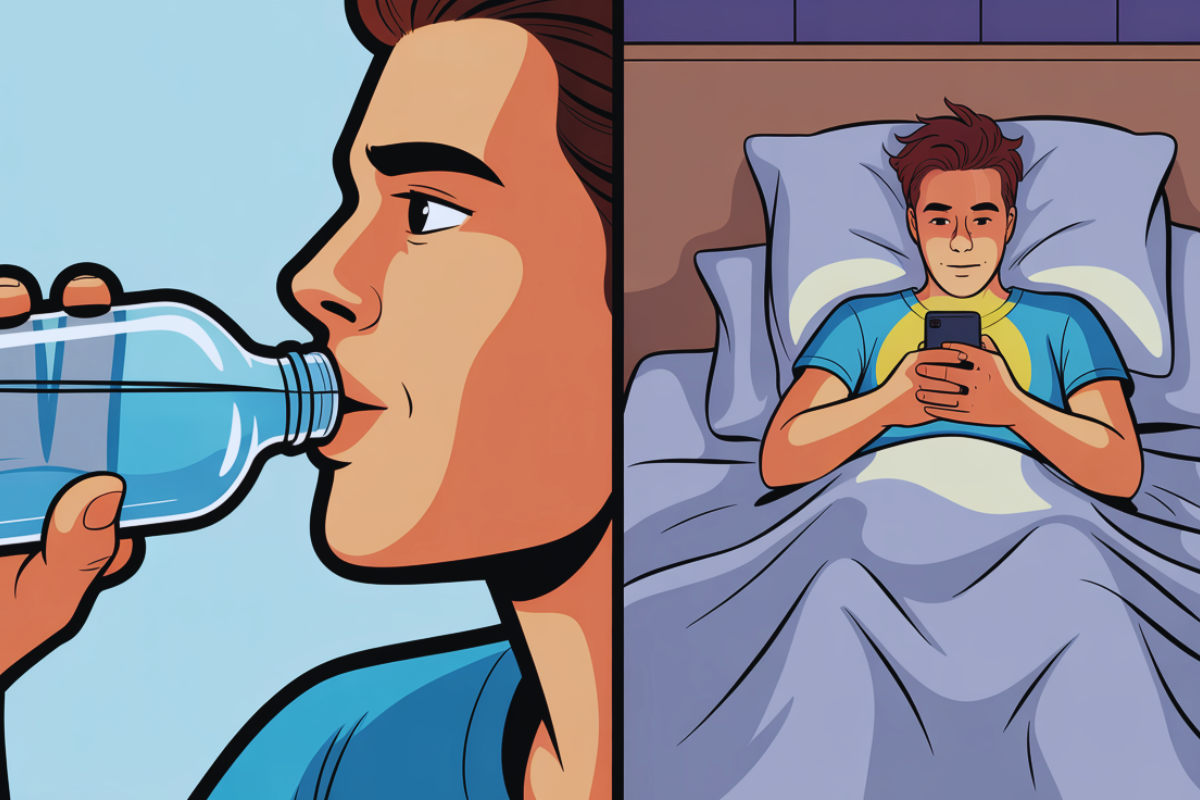
Routines that support mental health usually come down to rest, healthy food, and being mindful of tech use. Little things like a set bedtime, eating well, and unplugging more often can make a real difference.
Prioritizing Quality Sleep
Sleep is huge for mood and focus. People who get enough consistent, quality rest usually feel more balanced. Insufficient sleep, on the other hand, ramps up anxiety and makes it harder to concentrate.
A simple routine before bed, like dimming the lights, skipping caffeine after lunch, and sticking to a regular sleep schedule, can help your body wind down.
The environment matters, too. A cool, quiet, tidy bedroom (think 60°F–65°F) sets the stage for deeper rest. Try cutting out noise, blocking light, and keeping electronics out of the bedroom.
If you’re still struggling with sleep even after making changes, it might be time to talk to a professional. Quality sleep strongly influences mental health.
Balanced Nutrition and Hydration
What you eat and drink significantly affects your mood and energy. Whole grains, fruits, veggies, lean proteins, and fatty fish all support a steadier mood. Too much sugar or processed carbs? Not so much.
Staying hydrated matters, too. Even mild dehydration can make you feel foggy and tired. Water throughout the day keeps your brain and body running smoothly.
Foods such as berries, beans, and bananas are rich in nutrients that support brain health. Cutting back on alcohol and caffeine can help keep your mood and sleep more stable. Sometimes, just adding a bit more fiber or sticking to regular meals can make a noticeable difference.
Limiting Screen Time and Social Media
Excessive social media use can lead to harmful comparisons and lower self-esteem. Cutting back can ease stress and anxiety, and free up time for more fulfilling stuff.
A few practical ideas:
- Keep your phone out of the bedroom at night
- Turn off notifications so you’re not constantly distracted
- Swap scrolling for reading, walking, or chatting with someone face-to-face
Even minor tweaks, like moving social apps off your home screen, can help break the habit. Setting some limits around screen time can protect your focus and mood, as highlighted by daily mental wellness practices.
Building Emotional and Social Well-Being

Emotional health and social connections are both key to mental wellness. Making time for self-care, maintaining supportive relationships, and doing things you enjoy can help you feel more balanced.
Setting Boundaries for Self-Care
Boundaries aren’t just about saying no, they’re about making space for what you need. If you limit work emails after hours or carve out quiet time, you’re less likely to burn out.
Simple steps: limit after-hours work, schedule downtime, and communicate what you need. These actions can keep you from feeling overwhelmed.
Here’s a quick table to map it out:
| Area of Life | Example Boundary | Benefit |
|---|---|---|
| Work | No calls after 7 PM | Better rest |
| Relationships | Decline events when exhausted | Preserves energy |
| Technology | 30-minute screen-free before bed | Improved sleep |
Practicing these limits helps protect your mental wellness and keeps your days a bit more manageable.
Fostering Social Connections
Strong relationships offer support and a sense of belonging. Even a quick chat with a friend or family member can lighten your load.
Research shows that people who nurture their close relationships tend to have fewer symptoms of anxiety and depression. Weekly calls, joining a local group, or just sharing meals can strengthen those connections.
Quality matters more than quantity. A few close, supportive relationships are better than a bunch of acquaintances. Listening well and communicating openly helps deepen those bonds.
Engaging in Enjoyable Hobbies
Hobbies are a great way to unwind and shift your focus away from stress. Painting, gardening, playing music, whatever makes you lose track of time, can help you relax and express yourself.
Trying something new can break up the routine and boost motivation. Maybe it’s cooking a new dish, signing up for a class, or snapping photos, anything that sparks some joy and growth.
Some hobbies are social, too. Book clubs, sports teams, or group classes can combine fun with connection, supporting both your emotional and social well-being. Making room for these activities can balance out the daily grind.
Managing Stress and Boosting Resilience

Stress is part of life, but without healthy ways to cope, it can snowball into anxiety, depression, or just feeling off. Building resilience through daily habits and practical coping skills can help you handle whatever comes your way.
Daily Stress Management Techniques
A few simple habits go a long way. Deep breathing, even for a couple of minutes, can slow your heart rate and calm your nerves.
Regular physical activity helps, too. Walking, stretching, or yoga can lift your mood and release tension. Studies show that regular physical activity can reduce stress and ease depression.
As mentioned earlier, maintaining a consistent sleep schedule is another piece of the puzzle. When you’re well-rested, it’s easier to manage whatever the day throws at you.
Again, cutting back on screen time, especially before bed, can help you wind down and sleep better. Less time on social media might also ease anxiety and help you focus, as the CDC notes.
Recognizing and Addressing Anxiety
Anxiety can show up as a racing heart, restlessness, or tense muscles. Sometimes it’s just constant worry or trouble focusing. Catching these signs early lets you take action before things spiral.
Mindfulness meditation can help you stay present and break the cycle of anxious thoughts. Even a few minutes a day can make a difference when it comes to daily habits that boost mental wellness.
Talking things out with someone you trust can also lighten the emotional load.
If anxiety feels overwhelming or sticks around, reaching out to a therapist or counselor is worth considering. They can help you find strategies that really work.
Developing Coping Skills for Resilience
Resilience grows with practice. Setting realistic goals and breaking large tasks into small steps can help you avoid feeling overwhelmed.
Self-compassion matters, too. Being kind to yourself, especially when things go sideways, can stop stress from turning into self-criticism.
Techniques such as progressive muscle relaxation or listening to calming music can help you shift out of a stress state and regain balance.
And don’t underestimate the power of social support. Staying connected with people who encourage you helps you get through tough times.
When you mix these coping habits with steady routines, you build up the kind of resilience that helps you weather stress and support your own mental health.
When and How to Seek Professional Support

Mental wellness habits can lift your mood and build resilience, but sometimes you need a bit more. Figuring out when to reach out and what’s actually out there can make it a little less daunting to take the next step toward feeling better.
Recognizing When to Get Help
Everyone deals with stress or sadness now and then, but if those feelings drag on for weeks or start affecting your daily life, it might be time to seek outside help. Maybe you’re always tired, can’t get into things you used to like, or focusing at work or school feels impossible.
Other signs? Sleep and appetite are going off the rails, snapping at people for no reason, or pulling away from friends and family. If anxiety or hopelessness just won’t let up, that’s a loud signal that self-care isn’t cutting it.
If your usual go-tos, exercise, journaling, and mindfulness, are no longer helping, that’s a good cue to consider therapy or other professional support. Catching issues early can make the whole process of feeling better much less overwhelming.
Therapy and Other Professional Resources
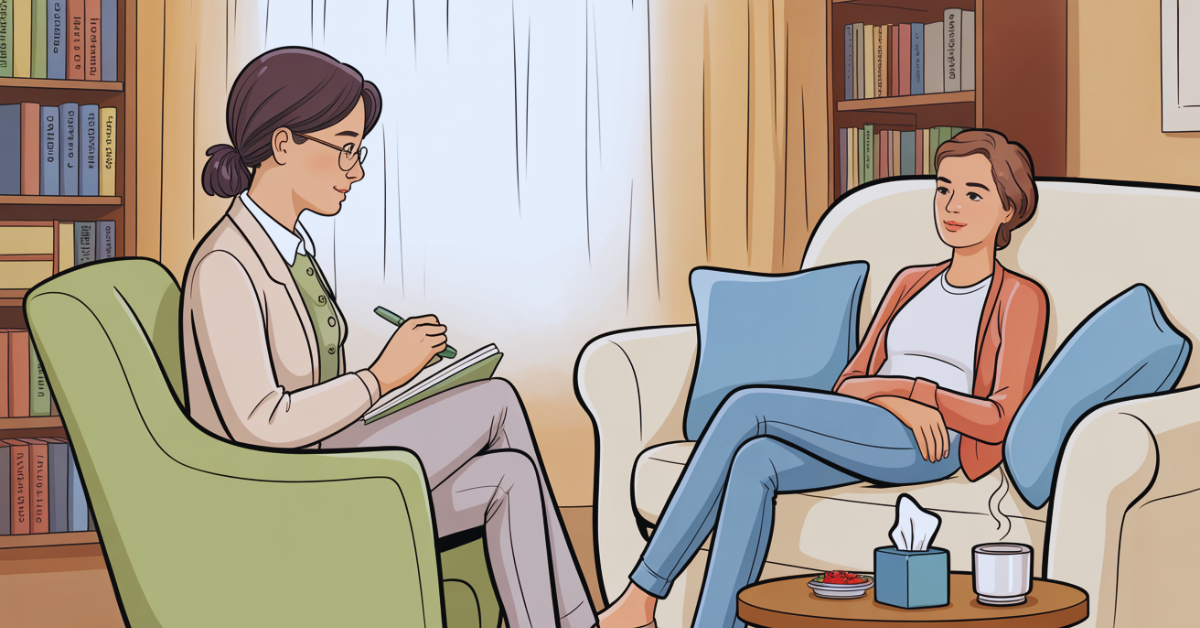
Therapy gives you a chance to talk things through with someone who knows what they’re doing, someone who can actually help untangle the mess in your head. There are many options, from cognitive behavioral therapy to group sessions or family counseling. It really depends on what feels right for you.
Doctors can also play a role here. Sometimes your primary care doc is the first stop, checking out symptoms and pointing you toward someone who specializes in mental health. Psychiatrists might step in, too, especially if it looks like medication could be part of the mix.
There are also community resources and crisis hotlines for when things feel overwhelming, and you need help right now. The National Institute of Mental Health notes that seeking professional support can help move things in a better direction.
Honestly, it’s different for everyone. Maybe you need a few sessions, or maybe it’s a longer road with more support. Either way, making that first move to ask for help is not easy, but it matters.

Leave a Reply