Mental health therapy comes in all sorts of shapes and sizes, offering ways to handle stress, boost emotional health, and pick up better coping skills. There’s the structured stuff like cognitive behavioral therapy (CBT), or more open-ended approaches like talk therapy, so there’s something out there for pretty much everyone. Getting a grip on the basics makes it a lot less intimidating to figure out what might actually help with anxiety, depression, trauma, or just the usual life headaches.
Each therapy style brings its own flavor. CBT, for instance, is all about shifting negative thought patterns, while dialectical behavior therapy (DBT) leans into teaching practical skills for managing emotions and relationships. Psychodynamic therapy digs into the past, and solution-focused therapy, well, it’s about using your strengths in the here and now. Clearly, there’s no one-size-fits-all.
Understanding Mental Health Therapy
Mental health therapy gives people structure to tackle emotional struggles, build better coping habits, and improve relationships. Different approaches use their own playbooks to address stuff like anxiety, depression, trauma, or just plain stress.
What Is Mental Health Therapy?
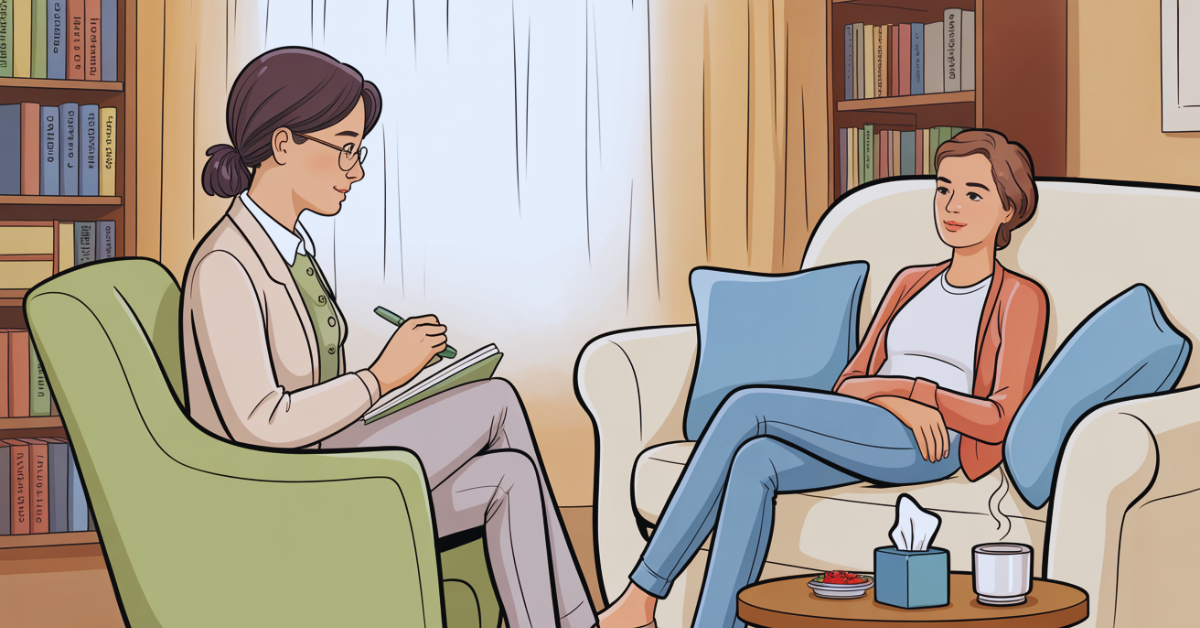
Mental health therapy, sometimes called psychotherapy or counseling, is a professional setting for working through emotional or psychological concerns. You’ll usually talk to a trained therapist, either one-on-one or in a group, and dig into your thoughts, feelings, and behaviors.
It’s not just one thing. There are therapy techniques like talk therapy, CBT, or family counseling, each with its own aims, maybe it’s reducing symptoms, perhaps it’s building up communication, or just learning to cope better.
Sessions happen in a private, confidential setting, so you can actually open up without worrying about judgment. Some people go for just a few weeks to tackle something specific, while others stick with it longer for ongoing support.
Unlike venting to a friend, therapy follows researched methods. It’s a bit more structured and, honestly, more reliable if you’re looking for real mental health support.
How Therapy Supports Mental Wellness
Therapy’s a way to untangle the mess between thoughts, emotions, and actions. By working through negative patterns, folks can figure out healthier ways to handle stress, sadness, or conflict.
Take cognitive behavioral therapy (CBT), it’s about spotting unhelpful thinking and finding more balanced ways to see things. That can make a real dent in anxiety and depression, and help with day-to-day stuff, too.
Therapy isn’t just about the individual, either. Family therapy can help people talk things out and solve problems together. Group therapy? It’s a chance to share experiences and realize you’re not the only one going through it.
Therapy’s not only for treating mental illness. It’s also about building self-awareness, resilience, and skills that make life better overall.
Therapeutic Approaches and Methods
There are plenty of therapeutic approaches out there, each with its own style. Here’s a quick peek:
| Approach | Focus | Common Uses |
|---|---|---|
| CBT | Changing thoughts and behaviors | Anxiety, depression, stress |
| DBT | Emotional regulation, mindfulness | Borderline personality disorder |
| EMDR | Processing trauma memories | PTSD, trauma recovery |
| Psychodynamic Therapy | Exploring past experiences | Relationship issues, self-awareness |
| Humanistic Therapy | Personal growth and self-acceptance | General mental wellness |
There’s also art therapy and play therapy; sometimes words just aren’t enough. And then there’s integrative therapy, which is kind of a mashup tailored to what someone actually needs.
Finding the “right” fit depends on your goals, the therapist’s strengths, and what you’re dealing with. If you want to dig deeper, check out this overview of different types of therapy.
Core Types of Therapy

Not all therapy is created equal. Some focus on thoughts, others on feelings, and some help you work through tough memories. Each has its own structure and methods that can actually help in everyday life.
Cognitive Behavioral Therapy (CBT)
CBT is about catching those unhelpful thoughts and swapping them out for something more realistic. That’s the heart of cognitive restructuring. When you shift your thinking, you usually notice your mood and behavior start to change, too.
Therapists don’t just talk at you; they’ll walk you through exercises that connect your thoughts, feelings, and actions. Say you’re anxious; you might work on challenging those “what if everything goes wrong” thoughts and practice more balanced alternatives.
CBT’s a go-to for anxiety, depression, phobias, and even substance use. It’s pretty structured, focused on goals, and often doesn’t drag on forever. People like it because you walk away with strategies you can actually use. If you’re curious, there’s more in this overview of types of mental health therapy.
Dialectical Behavior Therapy (DBT)
DBT is a twist on CBT, adding a focus on balancing acceptance with change. It started out for borderline personality disorder, but now it’s used for depression, eating disorders, PTSD, you name it.
DBT covers four main skill areas:
- Mindfulness: being present
- Distress tolerance: handling crises without making things worse
- Emotion regulation: keeping emotions from running the show
- Interpersonal effectiveness: better communication and relationships
Sessions usually mix individual and group work, and sometimes you’ll get coaching between sessions to try out skills in real life. It’s pretty structured, which helps if emotions tend to get overwhelming. There’s a solid breakdown of therapy types and modalities if you want to see how DBT fits in.
Eye Movement Desensitization and Reprocessing (EMDR)
EMDR’s a mouthful, but it’s basically a way to help people process tough memories. It uses bilateral stimulation, such as guided eye movements, sounds, or tapping, to reduce the intensity of those memories.
During EMDR, you’ll recall a tough memory while following a moving visual cue. The idea isn’t to erase the memory, but to change how your brain reacts to it.
There’s real research backing EMDR, especially for PTSD and trauma. It moves in phases: getting ready, processing the memory, and then integrating what you’ve learned. More details are in this explanation of different types of therapy.
Acceptance and Commitment Therapy (ACT)
ACT is less about fighting negative thoughts and more about living with them, while focusing on what matters most to you. Instead of trying to force away uncomfortable feelings, ACT teaches you to respond more flexibly.
ACT uses a few primary techniques:
- Mindfulness: noticing thoughts, not getting stuck on them
- Cognitive diffusion: seeing thoughts as just thoughts
- Values clarification: figuring out what really matters
- Committed action: setting goals based on those values
It’s used for anxiety, depression, chronic pain, stress, you get the idea. ACT encourages people to stop fighting their emotions and start building a life that feels meaningful. There’s a handy comparison of therapy styles like CBT, ACT, and DBT if you want to see how it stacks up.
Other Effective Therapy Options

Some approaches look to the past, while others stick to the present or focus on practical solutions. There are therapies for individuals, and some for groups or families.
Psychodynamic Therapy
Psychodynamic therapy has roots in psychoanalysis. It’s about exploring how unconscious thoughts and early experiences shape current behavior.
The therapist helps you spot patterns in how you relate to people, your emotions, and your reactions. By understanding these patterns, you might get a clearer sense of why you feel stuck.
It’s usually more open-ended, less about homework, more about talking things through. The goal is long-term self-awareness and emotional growth.
It’s often used for depression, anxiety, or relationship struggles, but it’s also suitable for anyone wanting to dig deeper.
Narrative Therapy
Narrative therapy says you’re not your problems, you’re the person facing them. It’s about reworking the stories you tell yourself.
Therapists help you spot “problem-saturated” stories and find new ones that highlight your strengths. It’s a way to shift your perspective and feel less stuck.
Instead of labeling people by their issues, narrative therapy treats problems as outside challenges. It’s especially helpful if you feel defined by trauma or adverse events. It gives you a chance to reclaim your own story.
Solution-Focused Brief Therapy (SFBT)
SFBT is all about solutions, not problems. Instead of digging into the past, it’s focused on what you want to change and how to get there.
Therapists ask questions like, “What will be different when things get better?” or “What small steps can you take now?” It’s about using strengths you already have.
It’s usually short, just a handful of sessions. That’s great if you want focused, efficient support.
SFBT works well for stress, work issues, family stuff, and other specific concerns. It’s more about moving forward than analyzing the past.
Group Therapy
Group therapy brings together several people with one or more therapists. It’s a space to share, listen, and learn from each other.
Some groups focus on specific issues, such as anxiety, depression, and grief, while others are more general. People often find it’s a relief to realize they’re not alone.
Therapists keep things on track, encourage healthy communication, and help everyone practice new skills. The group vibe can boost motivation and accountability.
Group therapy is especially helpful for building social support and practicing new coping strategies. It can work alongside individual therapy, too.
Therapy for Specific Mental Health Challenges
Different therapies are designed for other issues. Most focus on changing thought patterns, building coping skills, and helping people manage symptoms tied to anxiety, depression, trauma, or obsessive thoughts.
Anxiety and Anxiety Disorders
Anxiety disorders like generalized anxiety, social anxiety, or panic disorder often come with constant worry, restlessness, and even physical symptoms like a racing heart.
CBT is one of the top choices. It helps you spot and shift unhelpful thoughts. Exposure therapy can help, too, by gradually facing the things you fear safely.
Relaxation techniques, deep breathing, and mindfulness are often added. Sometimes medication joins the mix, and group therapy can help with feeling less alone.
Depression and Mood Disorders
Depression and mood disorders bring sadness, lack of interest, fatigue, and trouble focusing. Therapy’s goal is to help people feel more stable and function better day to day.
Interpersonal therapy (IPT) looks at relationships and life events that might trigger depression. CBT helps challenge negative thinking. For more difficult situations, DBT can help with self-harm or borderline personality disorder.
Lifestyle tweaks, getting active, and sticking to routines are usually part of the plan. Sometimes therapy is paired with medication, especially if symptoms are tough.
Trauma, PTSD, and Loss
PTSD and trauma-related conditions can show up after tough events, such as abuse, accidents, combat, and so on. Symptoms might include flashbacks, nightmares, or avoiding reminders.
EMDR is a go-to for trauma. It helps people reprocess painful memories so they’re less overwhelming. Trauma-focused CBT is another option, focusing on challenging distorted beliefs and learning coping skills.
For grief or loss, therapy can help process emotions and adjust to life changes. Group or family sessions can be helpful during tough times. If addiction is tied to trauma, integrated treatment tackles both at once.
Obsessive-Compulsive Disorder (OCD) and Phobias
OCD means dealing with unwanted thoughts (obsessions) and repeating behaviors (compulsions). Phobias are intense fears of certain things or situations, like flying or spiders.
Exposure and response prevention (ERP), a type of CBT, is the gold standard for OCD. It helps people face triggers and resist compulsions. For phobias, gradual exposure helps reduce fear over time.
Mindfulness-based therapy can also help by teaching people to notice intrusive thoughts without reacting to them. Sometimes medication is used for severe symptoms.
Therapy Techniques and Tools for Beginners

There are plenty of practical tools and techniques to make therapy less intimidating, especially if you’re new to it. These range from guided conversations with a therapist to creative or digital approaches that support emotional well-being and everyday coping.
Talk Therapy and Counseling
Talk therapy, some folks call it psychotherapy, offers a space where you can talk things through with someone who’s trained to listen and help. A lot of counseling focuses on pretty specific stuff: anxiety, depression, stress, you name it.
Some therapists stick to structured techniques like cognitive behavioral therapy (CBT), while others are more conversational and adapt to what you need that day. In CBT, for example, you’ll get tools for spotting those sneaky, unhelpful thoughts and practice shifting how you react to them.
People often find they get better at understanding themselves, communicating, and handling challenging situations. Sessions can be solo, in a group, or even with your family; it’s flexible.
Journaling and Self-Care
Journaling’s one of those deceptively simple habits that can really clear your head. When you write stuff down, it’s easier to spot patterns or get the jumble out of your brain for a bit. Some therapists suggest keeping a journal as part of your routine, whether that’s daily or just when you feel like it.
Self-care goes hand in hand with all this. It doesn’t have to be fancy, think exercise, getting enough sleep, eating something that isn’t just chips, or even just pausing for a few deep breaths. Little things like a short walk or a few minutes of mindful breathing can honestly make a difference.
Pairing journaling with a self-care checklist can keep things on track. For example:
| Self-Care Activity | Benefit |
|---|---|
| Journaling daily | Tracks mood changes |
| Deep breathing | Reduces stress |
| Regular exercise | Improves energy |
These small habits can support what you’re working on in therapy, helping the changes stick a bit better outside the office.
Music and Play Therapy
Music therapy is a bit different, using sound, rhythm, and sometimes songwriting to help folks relax and open up emotionally. You might listen to music, play an instrument, or just let yourself get lost in the rhythm. There’s research supporting its ability to reduce stress and help with mood swings.
Play therapy is mainly for kids, especially when words just aren’t enough. By using toys, games, or art, kids can show what they’re feeling without having to explain it. The therapist watches, sometimes joins in, and helps the child figure out how to handle challenging emotions.
These creative therapies are fantastic for people who don’t love traditional talk therapy or need another way to express themselves. Sometimes words just don’t cut it, you know?
Online Therapy and Virtual Support
Online therapy has made mental health care way more accessible. Video calls, chat, or even phone sessions let people connect with therapists from their own space. It’s a game-changer for folks who live far from clinics or have trouble getting out.
Virtual support can mean one-on-one counseling, group chats, or guided programs. Many online platforms also include worksheets, exercises, or progress trackers. Sites like Therapist Aid offer free handouts that can accompany your sessions.
Just a heads up, privacy and security matter. Make sure you’re using a reputable platform that follows the rules. Online therapy’s only getting more popular, and it’s a solid option for a lot of people.
How to Choose the Right Therapy for You

Honestly, picking a therapy type depends on what you’re looking for and what feels right. Each approach has its own vibe and method, so it helps to know the basics before jumping in.
Factors to Consider When Selecting a Therapy Type
A few things to think about: What are you hoping to work on? If it’s anxiety or depression, CBT is often a good bet. Trauma? Maybe EMDR or something more psychodynamic.
The format matters, too. Some folks want one-on-one time, others do better in a group or family setting. And let’s be real, cost, insurance, and whether you can actually find a therapist who does what you want are significant factors.
Try jotting down a quick list:
- What’s the main issue? (anxiety, depression, trauma, relationships)
- Do you want individual, group, or family sessions?
- Are you more comfortable with structure, or do you want something more open?
- What about location, cost, or your schedule?
Once you’ve got that, it’s easier to narrow things down.
Matching Therapy to Your Needs and Goals
Therapy really works best when it lines up with what you want to get out of it. If you’re looking to change negative thinking, CBT is a solid option. If you want to get better at handling emotions, DBT might be a better fit since it focuses on mindfulness and coping skills.
If you’re curious about how your past shapes your present, psychodynamic therapy can help you dig into those patterns. For relationship stuff, couples or family therapy can help with communication and conflict.
It might help to ask yourself: Am I looking for symptom relief, personal growth, or to improve my relationships? That answer can point you in the right direction. For more details, Verywell Mind’s guide to therapy types breaks down the options pretty well.
Working with a Mental Health Professional
Even after reading up on therapy options, picking the right one can feel like a lot. A licensed therapist, counselor, or psychiatrist can step in after an initial assessment and help make sense of which therapy techniques might actually help with your particular situation. They’ll usually walk you through what to expect in sessions, too.
Mental health professionals often take an eclectic approach, mixing and matching different methods depending on what you need. For instance, someone might blend CBT to work on thought patterns with mindfulness ideas borrowed from DBT.
The therapist-client relationship really matters, maybe more than people realize. If you don’t feel comfortable or supported, it’s absolutely fine to look for someone else who’s a better fit. Sometimes it takes a couple of tries to find the right person for your mental wellness support.


Leave a Reply