
I spent years trying to keep up with the fast pace of television production, but the pressure slowly took over my life. Long hours, impossible deadlines, and the demand to stay creative left me feeling trapped in my own mind. Anxiety became my constant shadow, showing up as racing thoughts, sleepless nights, and panic that hit hardest before big projects.
What started as work stress soon spilled into my personal life. I pulled away from the people I cared about, worried I would let them down, just as I feared I would fail at my job. The fear of not being enough followed me everywhere, and I knew I couldn’t keep going like that.
The turning point came when I admitted I needed help. Therapy, mindfulness, and honest conversations with friends and family gave me tools I didn’t have before. Over time, I built small daily habits that helped me take back control, and I found a way to balance my career with my well-being. My story is about learning to face anxiety head-on and finding strength in asking for support.
My Early Struggles With Anxiety

I noticed my anxiety growing worse as my career in television production advanced. The constant pace, endless demands, and fear of falling behind left me restless and uneasy. What began as mild stress soon became a daily battle that affected both my work and my personal life.
Pressures of Television Production
Working in television production meant I lived in a world where everything moved fast. Each project required me to stay sharp, meet strict expectations, and deliver results that satisfied both creative and business goals.
I often felt like I was walking on a tightrope. One mistake could cost me credibility with my team or disappoint the people who trusted me. That pressure created a steady sense of agitation that never seemed to fade.
The environment rewarded those who could push through exhaustion and ignore their own limits. I tried to keep up, but the harder I pushed, the more my anxiety grew. I spent many nights replaying conversations in my head, wondering if I had done enough to prove myself.
Impact of Long Hours and Tight Deadlines
The long hours were one of the most complex parts. A typical day stretched well past dinner, and weekends often disappeared into editing sessions or last-minute changes.
Deadlines left no room for rest. If I slowed down, even for a moment, I risked falling behind. The constant rush made my body tense, my thoughts scattered, and my sleep almost nonexistent.
I remember lying awake at night, my heart racing, thinking about what still needed to be done. Even when I wasn’t at work, my mind stayed locked on unfinished tasks. That cycle drained my energy and left me short-tempered with the people I cared about most.
Creative Demands and Professional Agitation
Beyond the hours and deadlines, the creative side carried its own weight. Every project demanded fresh ideas, and I worried that my work would fall short.
The fear of failure often triggered panic before big presentations. I would second-guess every idea, editing and re-editing until I no longer trusted my own judgment. That constant self-doubt fueled my agitation and made even small tasks feel overwhelming.
I wanted to enjoy the creative process, but instead, I felt trapped by it. My anxiety turned brainstorming into a source of dread, and I struggled to find the confidence I once had in my work.
Recognizing the Symptoms and Their Effects
I noticed how my anxiety showed up in very specific ways. It wasn’t just work stress; it was a constant cycle of racing thoughts, sleepless nights, and a fear of letting others down. These symptoms didn’t stay at the office; they followed me into every part of my life.
Racing Thoughts and Panic Before Projects
Before every major deadline, my mind ran in circles. I replayed every possible mistake, imagining failure before I even started. The pressure to deliver high-quality work in television production only worsened the cycle.
I often felt my chest tighten and my breathing speed up before meetings or presentations. Panic would set in as if I was about to lose control.
To others, I probably looked calm, but inside I was battling a storm of “what ifs.” The fear of disappointing my team or missing a deadline made it hard to focus.
Even small tasks felt overwhelming because I couldn’t stop overthinking. Instead of trusting my skills, I second-guessed every decision, which slowed my progress and drained my energy.
Sleepless Nights and Fear of Failure
At night, I struggled to shut my mind off. I lay awake replaying conversations, worrying about edits, or imagining how a project might fall apart. Sleep became a luxury I couldn’t count on.
The less I slept, the more anxious I became. It turned into a loop: anxiety kept me awake, and exhaustion made me more nervous the next day.
I started to dread going to bed because I knew I would lie there, staring at the ceiling. The fear of failure wasn’t limited to significant projects; it crept into everyday tasks.
Even when I did fall asleep, I often woke up in the middle of the night with my heart racing. The lack of rest left me irritable, unfocused, and more prone to mistakes at work.
Consequences for Personal Life and Relationships
The pressure didn’t just affect my job. My relationships began to suffer because I was distracted and withdrawn. Friends noticed I often canceled plans, and my family saw how distant I had become.
I avoided social gatherings because I felt too drained to be present. Instead of connecting with people I cared about, I isolated myself.
My girlfriend felt the weight of my anxiety the most. I was short-tempered, impatient, and often too tired to engage in meaningful conversations.
The constant tension created distance in my closest relationships. I knew I was losing touch with the people who mattered most, but I didn’t know how to stop the cycle.
The Turning Point: Seeking Help and Support

I reached a stage where my anxiety was no longer something I could push aside. The constant pressure at work and its toll on my personal life made it clear I needed to change if I wanted to move forward.
Realization and Decision to Pursue Therapy
The breaking point came after another sleepless night before a major production deadline. My chest felt tight, my thoughts raced, and I couldn’t focus on even the simplest tasks. I realized this wasn’t just stress; it was something deeper that I couldn’t manage alone.
I decided to see a therapist. It wasn’t easy. I had convinced myself for years that if I just worked harder, I could “fix” it. But the truth was that ignoring my symptoms only made them worse.
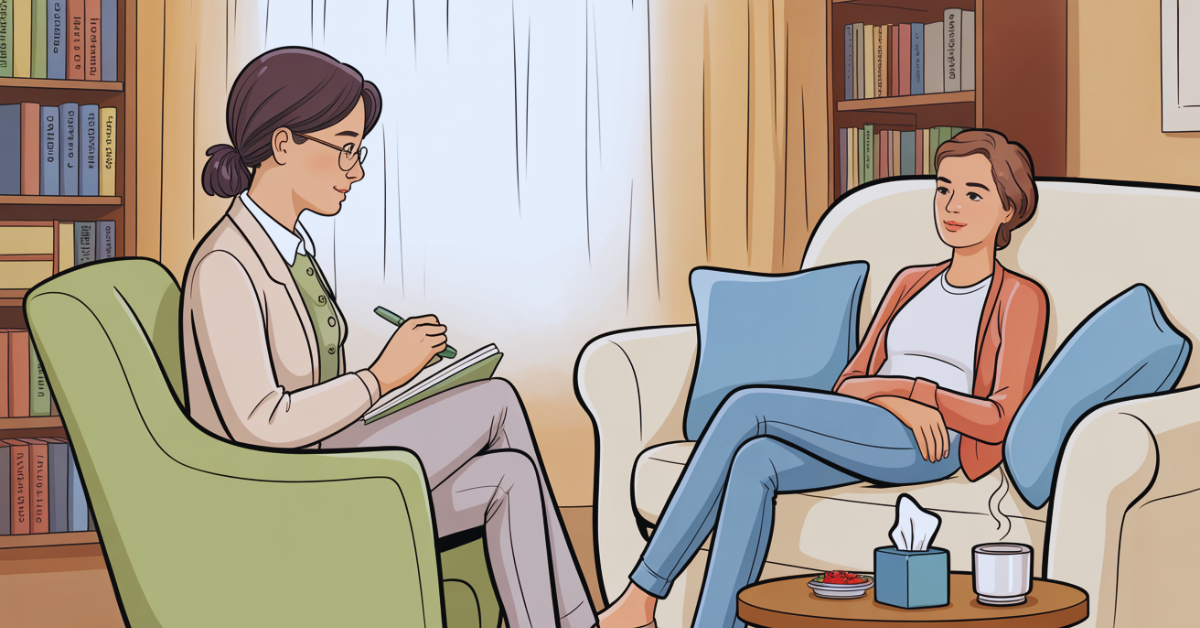
When I started cognitive behavioral therapy (CBT), I finally had the tools to challenge negative thought patterns. Instead of spiraling into panic, I began learning how to pause, question my fears, and replace them with more realistic perspectives. That shift felt like the first real step toward healing.
Overcoming Stigma Around Mental Health
Admitting I needed help brought another challenge: the stigma I carried about mental health. I worried coworkers would see me as weak or unreliable if they knew I struggled with anxiety. For years, I kept everything hidden behind late nights and forced smiles.
Therapy helped me understand that seeking help wasn’t a weakness but a responsibility to myself. I started to reframe my thinking: if I would see a doctor for a broken bone, why wouldn’t I do the same for my mind?
I also noticed how silence kept me isolated. When I began talking honestly about my experiences, I discovered others in my field faced similar struggles. That realization eased my shame and gave me more confidence to be open about my journey.
Support From Friends and Family
Sharing my struggles with friends and family was one of the most challenging but most important steps. At first, I feared they wouldn’t understand. But when I finally opened up, the response was supportive and compassionate.
My parents checked in regularly, and close friends encouraged me to stick with therapy even when progress felt slow. Having people to talk to made the weight of anxiety feel lighter.
I also leaned on the small daily habits we built together. Going for walks, cooking simple meals, or just talking about everyday life reminded me I wasn’t alone. That steady support gave me the strength to keep moving forward, even on difficult days.
Steps Toward Healing and Daily Habits

I learned that recovery required both structured treatment and consistent daily effort. Progress came from combining therapy, physical activity, and open communication with the people around me.
Cognitive Behavioral Therapy (CBT) and Mindfulness
CBT gave me practical tools to challenge negative thoughts instead of letting them spiral out of control. I worked with a therapist to recognize patterns like catastrophizing, assuming the worst outcome, and then practiced reframing those thoughts into more balanced ones.
Mindfulness helped me slow down when my mind raced. Simple exercises, such as focusing on my breath for five minutes or noticing small details in my surroundings, reduced the intensity of panic before deadlines.
I also kept a journal where I wrote down triggers, automatic thoughts, and healthier responses. Over time, this practice made it easier to notice progress.
Together, CBT and mindfulness taught me how to separate temporary stress from my sense of self-worth. That shift gave me more control over my anxiety and helped me feel less overwhelmed during high-pressure projects.
Incorporating Exercise Into Routine
Exercise became one of my most reliable coping strategies. I started with short walks after work, which cleared my head and helped me sleep better at night.
As I built consistency, I added structured workouts three times a week. I focused on activities I enjoyed, cycling, light strength training, and yoga, so that I would stick with them long term.
I noticed that physical activity improved my mood almost immediately. Even 20 minutes of movement reduced tension and gave me more energy to handle work demands.
To stay accountable, I tracked my workouts in a simple table:
| Day | Activity | Duration |
|---|---|---|
| Mon | Walk | 30 min |
| Wed | Yoga | 25 min |
| Fri | Cycling | 40 min |
This routine didn’t just improve fitness; it created structure and stability in my week.
Developing Healthy Communication
For years, I kept my struggles private, which only made me feel more isolated. When I started opening up, I realized how much support I had been missing.
I began by sharing honestly with close friends and family. Instead of saying “I’m fine,” I explained when I was anxious or overwhelmed. Their understanding reduced the pressure I felt to hide my symptoms.
At work, I learned to set boundaries by telling my team when I needed more realistic timelines. I also practiced saying no to extra projects when my schedule was already full.
These small changes built trust and respect in my relationships. By speaking directly about my needs, I created an environment where I could manage stress without burning out.
Transformation in Career and Workplace
I began to notice real change in my career when I stopped hiding my struggles and started addressing them directly. By being honest, creating supportive connections, and setting clear limits, I found healthier ways to succeed in a demanding industry.
Openness About Struggles at Work
When I first shared my anxiety with a trusted colleague, I felt nervous about how it might affect my reputation. To my surprise, the response was understanding rather than judgment. That one conversation made it easier to be transparent with others.
I later spoke with my supervisor about the panic I often felt before deadlines. I explained how it affected my focus and energy. Instead of dismissing me, he asked what adjustments might help.
This openness created space for honest dialogue. I learned that many people in television production quietly face similar challenges. By speaking up, I not only reduced my own stress but also encouraged others to talk about their experiences.
Building a Supportive Work Environment
Once I shared my struggles, I noticed small but essential changes in the workplace. My team began checking in with me during high-pressure projects. Simple questions like “How are you holding up?” reminded me I wasn’t alone.
I also found it helpful to create a list of practical supports:
- Flexible scheduling when possible
- More transparent communication about project timelines
- Regular breaks during long editing sessions
- Peer support through casual check-ins
These adjustments didn’t lower expectations but made the workload more manageable. I felt more valued because my needs were taken seriously.
The culture of my workplace shifted slightly as well. People became more open about stress, and managers started encouraging healthier practices for the whole team.
Setting Boundaries for Well-being
One of the most challenging but most important steps was learning to set boundaries. I used to say yes to every request, even when I was already exhausted. That habit fueled my anxiety and left me drained.
I started by creating clear rules for myself:
- No work emails after 8 p.m.
- At least one full day off each week
- Short walks during long production days
At first, I worried these limits would hurt my career. Instead, they improved my performance by giving me more focus and energy.
By protecting my time and mental space, I became more reliable and creative at work. Boundaries gave me balance, and balance gave me confidence.
Inspiring Others and Reducing Mental Health Stigma
I learned that being open about my struggles could help others feel less alone. By speaking honestly, I not only eased my own burden but also showed that mental health challenges can be managed with support, tools, and persistence.
Becoming an Advocate in the Entertainment Industry
Working in television, I saw how silence around mental health created unnecessary pressure. Many colleagues hid their struggles out of fear that it would harm their careers. I decided to speak up, even in small ways, to show that anxiety does not define a person’s ability to succeed.
I shared my experience during production meetings and informal conversations. At first, I worried about judgment, but instead I found respect. People appreciated my honesty, and some even admitted they had similar challenges.
My advocacy grew as I joined workplace panels and wellness initiatives. I encouraged leaders to consider flexible schedules and realistic deadlines. By doing so, I helped shift the culture toward one where health mattered as much as output.
Sharing Hope and Encouragement
I realized that personal stories often resonate more with people than statistics. When I described my panic before live shoots or the nights I could not sleep, others connected immediately. They saw that anxiety was not weakness but a real condition that could be managed.
To make my message clear, I often used simple examples:
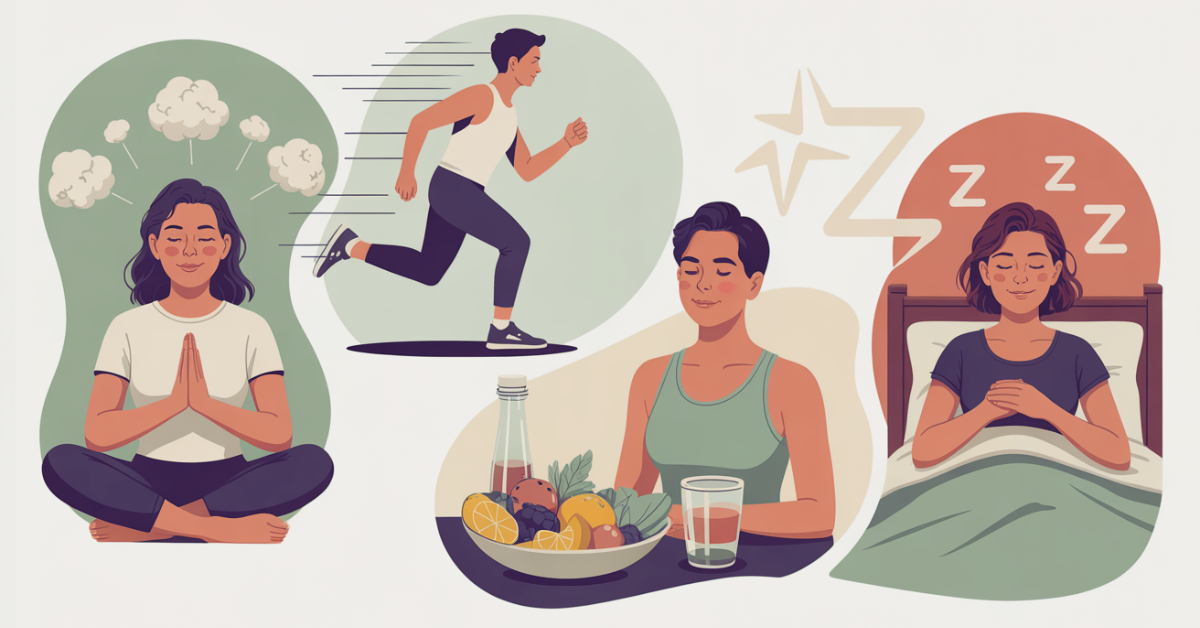
- Mindfulness before a shoot to calm racing thoughts
- Exercise after long days to reset my body
- Therapy sessions that gave me tools to challenge negative thinking
I never claimed these steps solved everything, but they gave me stability. Sharing these details encouraged others to try small changes without feeling overwhelmed.
Lessons for Others Facing Anxiety and Indictment
At one point, I also faced the weight of a legal indictment unrelated to my work. The stress magnified my anxiety and tested my progress. I learned that mental health care is not just about daily habits but also about resilience during crises.
Therapy taught me to separate facts from fear. I leaned on trusted friends who reminded me of my worth beyond the case. These supports kept me from spiraling into isolation.
For anyone balancing anxiety with external pressures like legal trouble, my lesson is simple: ask for help early. Professional guidance, honest conversations, and steady routines can prevent overwhelming situations from breaking you down.
Leave a Reply