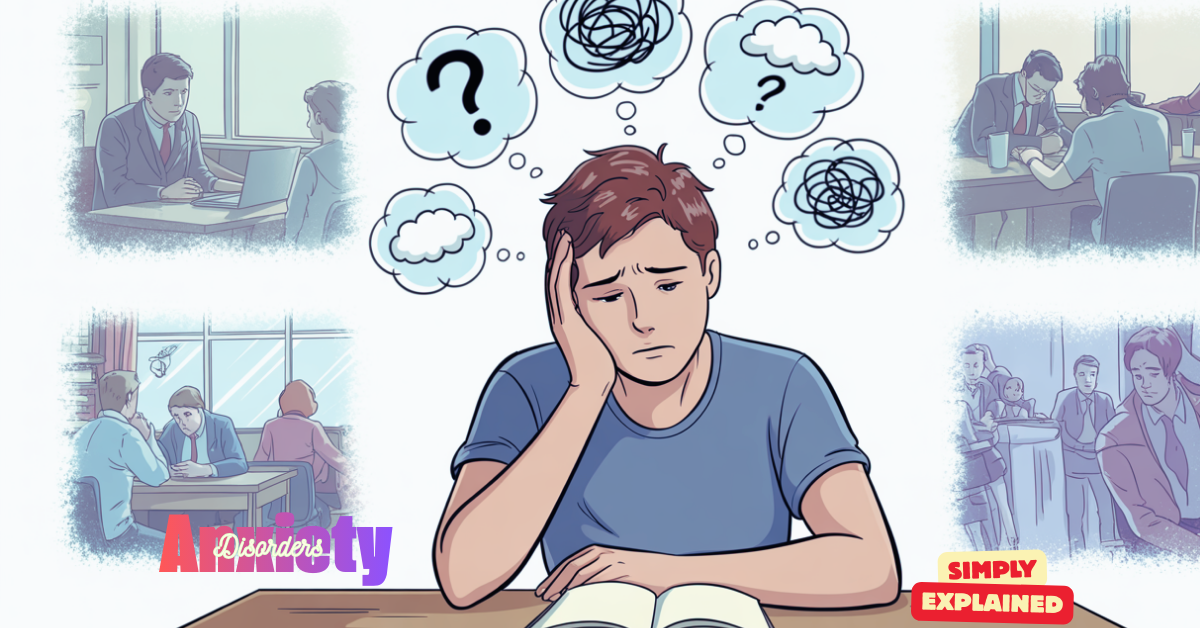
Anxiety disorders affect how a person thinks, feels, and gets through the day. Unlike ordinary stress, they bring a level of fear or worry that sticks around, sometimes making work, school, or relationships feel impossible. An anxiety disorder is a mental health condition where worry or fear becomes so intense that it disrupts normal activities.
There are several types: generalized anxiety disorder (GAD), social anxiety disorder, panic disorder, and specific phobias. Each comes with its own set of symptoms, but you’ll often see things like restlessness, racing thoughts, or trouble focusing. Being able to tell the difference between regular stress and an anxiety disorder can help folks know when it’s time to get support.
Anxiety can show up for all sorts of reasons: genetics, brain chemistry, tough life events, you name it. The good news? It’s treatable. Many people find relief with therapy, medication, or even just some lifestyle tweaks. Here’s a rundown of what anxiety disorders are, how they might show up in daily life, and what options are out there for handling them.
What Is an Anxiety Disorder?
An anxiety disorder is when fear, worry, or unease gets so intense and long-lasting that it messes with daily life. It’s not just nerves before a big test or an interview; these are persistent and often need some treatment.
Difference Between Anxiety and Anxiety Disorders
Anxiety itself is totally normal. It’s that jolt before a big presentation or the butterflies before meeting someone new. Usually, it fades away once the moment passes.
Anxiety disorders are another story. They’re about worry and fear that just won’t quit. The Diagnostic and Statistical Manual of Mental Disorders (DSM-5) lays out several types, like generalized anxiety disorder, panic disorder, and social anxiety disorder.
People with an anxiety disorder might feel restless, have trouble focusing, and notice physical symptoms like a pounding heart or sweaty palms. This isn’t just being nervous; these symptoms can really get in the way of work, school, or friendships. When the anxiety is way out of proportion and hangs around for weeks or months, that’s when it’s considered a disorder.
How Anxiety Differs from Stress
Stress is usually tied to something specific, a looming deadline, a fight, or money worries. Once that’s over, you tend to bounce back. Sometimes stress even pushes you to get things done.
Anxiety, though, doesn’t always have an apparent reason. It can linger long after the stressful thing is gone, or pop up when nothing obvious is wrong. It’s more about worrying over what might happen, not just what is happening. Anxiety disorders can trap people in a loop that affects sleep, focus, and even their health.
Here’s a quick comparison:
| Stress | Anxiety Disorder |
|---|---|
| Triggered by specific events | May occur without clear cause |
| Usually temporary | Long-lasting and persistent |
| Can motivate action | Interferes with daily life |
When to Seek Help for Anxiety
A bit of worry is part of life, but if anxiety feels like it’s running the show, it might be time to talk to someone. Red flags include skipping out on everyday activities, fear that just won’t let up, or physical symptoms like chest tightness or trouble breathing.
If anxiety is messing with your job, school, or relationships, it could be a sign of a mental health disorder. A doctor or therapist can help figure that out, often using the DSM-5 as a guide.
Treatment might involve psychotherapy, medication, or both. Some folks also find that exercise, better sleep, or relaxation techniques make a real difference if it feels like too much to handle alone; reaching out is a big step forward.
For more details on symptoms and causes, see the Mayo Clinic overview of anxiety disorders.
Types of Anxiety Disorders
Anxiety disorders come in different flavors, each with its own quirks. Some are about constant worry, others about sudden panic, social fears, or intense reactions to particular things or situations.
Generalized Anxiety Disorder (GAD) Explained Simply
Generalized anxiety disorder (GAD) is basically nonstop worry about everyday stuff, work, family, the future, you name it. The anxiety sticks around for months or years and is tough to shake.
People with GAD often feel restless, tense, tired, or have trouble focusing. Sleepless nights are pretty standard, too. Unlike stress that fades after a rough patch, GAD keeps going.
It often overlaps with things like depression, PTSD, or even anxiety caused by medication. Treatment usually means therapy, sometimes medication, and changes like adding exercise or relaxation routines to the mix.
Panic Disorder and Panic Attacks
Panic disorder is all about sudden, intense panic attacks. These are short bursts of overwhelming fear, often accompanied by symptoms such as chest pain, a racing heart, sweating, or dizziness.
A lot of people start worrying about when the next attack might hit, so they avoid certain places or situations. Sometimes, this turns into agoraphobia, avoiding areas where escape feels tough.
Panic disorder isn’t the same as acute stress disorder, which follows trauma and usually fades in a few weeks. Panic disorder can drag on, sometimes with no apparent reason at all.
Treatment usually involves cognitive behavioral therapy (CBT) and sometimes medication. Breathing exercises and grounding tricks can take the edge off during an attack.
Social Anxiety Disorder
Social anxiety disorder, or social phobia, is an intense fear of being judged, embarrassed, or rejected in social situations. This isn’t just being shy; it can really mess with school, work, or friendships.
You might see blushing, shaking, sweating, or a pounding heart just thinking about social stuff. Some folks avoid speaking in public, meeting new people, or even eating around others.
It can start in childhood or the teenage years, and sometimes goes hand-in-hand with things like separation anxiety or selective mutism (where a child won’t speak in specific settings).
Therapy, especially CBT, tends to work well. Gradually facing feared situations and learning social skills can help. Medication is sometimes added to the mix.
Phobias and Specific Phobias
Phobias are intense fears tied to specific things, such as animals, heights, flying, needles, whatever. The fear doesn’t match the actual risk, but it feels very real and can be pretty distressing.
With phobias, the worry is about one clear thing, not everything in general, like GAD. People might go out of their way to avoid whatever triggers the fear, which can make life complicated.
Agoraphobia is a related issue, where people fear places where escape could be harrowing, like crowds or public transit.
Exposure therapy, gradually facing the fear in a controlled way, often helps. Relaxation training and CBT are also solid options for managing phobias.
For more details on the different types of anxiety disorders, see Simply Psychology’s overview and the Cleveland Clinic’s guide.
Symptoms of Anxiety Disorders
Anxiety disorders show up in both the mind and body, making daily life a struggle sometimes. There’s usually a mix of ongoing worry, physical tension, and behavioral changes that make it harder to get through normal stuff.
Emotional and Cognitive Symptoms
People with anxiety disorders deal with excessive worry that’s hard to turn off. It might be about health, work, school, or even just daily routines. This isn’t just a passing concern; the fear is bigger and sticks around way longer than it makes sense.
Common emotional signs:
- Persistent fear or dread
- Irritability or restlessness
- Trouble focusing
- Feeling “on edge” or tense
Thoughts can get stuck in a replay, going over events, expecting the worst, or getting distracted easily. These patterns can lead to avoiding activities or social situations.
When these mental symptoms drag on for weeks or months, making decisions and solving problems gets a lot harder. It can feel like you’re stuck in a worry loop that’s tough to break.
Physical Symptoms of Anxiety
Anxiety disorders often come with physical symptoms that can feel a lot like other medical issues. The body acts like it’s under constant threat, so that you might notice:
- Rapid heartbeat or palpitations
- Sweating or trembling
- Shortness of breath or hyperventilation
- Chest pain or pressure
- Nausea, diarrhea, or stomach upset
- Dizziness or lightheadedness
Sleep can be a mess, and some people have full-blown panic attacks, heart pounding, shaking, and feeling out of control. These can be scary enough that people end up at the ER, even if there’s nothing physically wrong.
Physical symptoms aren’t always the same. For some, it’s a daily annoyance; for others, it only flares up during stressful times.
How Symptoms Affect Daily Life
Anxiety symptoms can throw a wrench into routines and make life more complicated. At work or school, it’s tough to focus or perform well when your mind is racing. Socially, fear of being judged or panicking can push people to pull back from friends or activities.
Lousy sleep (hello, insomnia) makes everything feel worse: more tired, more irritable. Physical discomfort, like chest pain or trouble breathing, sometimes leads to lots of doctor visits.
After a while, these problems can shrink your world. Some folks stop driving, traveling, or even leaving home. Avoiding things only adds to the isolation and makes anxiety harder to tackle.
When symptoms start affecting relationships, responsibilities, or health, it’s probably time to seek extra support.
Causes and Risk Factors
Anxiety disorders don’t come from one place; they’re a mash-up of genetics, life experiences, biology, and even habits. Some people are just more at risk, and understanding why can make it feel less random.
Genetics and Family History
Family history plays a significant role. If a parent or sibling has an anxiety disorder, your chances go up. There’s definitely a genetic piece here that affects how the brain handles stress and fear.
Twin studies back this up: identical twins are more likely to both have anxiety than fraternal twins. But it’s not all in the genes. What you inherit interacts with what you live through, making some people more sensitive to stress or more likely to get stuck in worry.
Genes tied to things like serotonin may also affect how the brain regulates mood and fear. There’s no single anxiety gene, but a bunch of minor differences can add up.
Environmental and Life Stressors
Rough or traumatic experiences can really set off anxiety. Stuff like childhood abuse, neglect, or losing a parent has been linked to a higher risk. These early hits can change how the brain develops and responds to stress later on.
Significant life changes, job loss, divorce, and money problems can pile on, too. Even everyday stress from work or school can build up if you don’t have good ways to cope.
Genetics and environment work together, so someone with a family history of anxiety might be more affected by tough times than someone without that background.
Medical and Biological Factors
Some health conditions can bring on or worsen anxiety. Things like hyperthyroidism, heart disease, asthma, COPD, or irritable bowel syndrome can cause symptoms (like a racing heart or stomach trouble) that feel a lot like anxiety. Those physical sensations can kick off fear or even panic attacks.
Brain chemistry matters, too. Imbalances in serotonin, dopamine, or GABA can mess with how your brain handles fear and worry. Problems in the brain’s “danger circuits” have been linked to anxiety disorders.
Sometimes anxiety is directly caused by a medical condition (they actually call it anxiety disorder due to a medical condition). Treating the underlying issue can sometimes make the anxiety go away.
Substance Use and Medication Effects
Drugs and alcohol can both trigger and ramp up anxiety. Alcohol, caffeine, and recreational drugs might make people feel more jittery, restless, or panicked. Too much caffeine, for example, can make anyone feel anxious.
Withdrawal from things like alcohol or benzodiazepines can also send anxiety through the roof, especially if people were using those substances to cope in the first place.
Certain prescription meds can lead to medication-induced anxiety disorder. Stimulants, steroids, and some asthma drugs are known culprits. Changing or stopping the med (with a doctor’s help) can sometimes help.
Diagnosis and Mental Health Awareness
A lot of anxiety disorders fly under the radar because they look like regular stress. Getting a real diagnosis can help people understand what’s going on and find the proper treatment. Plus, the more we talk about mental health, the easier it gets for folks to reach out without feeling embarrassed or judged.
How to Know If You Have an Anxiety Disorder
Anxiety disorders aren’t just about feeling nervous now, and then they’re more intense, stick around longer, and start to mess with daily life. You might notice restlessness, racing thoughts, muscle tension, sleep problems, and trouble focusing that just won’t quit.
Doctors and therapists rely on the Diagnostic and Statistical Manual of Mental Disorders (DSM-5) to sort out what’s going on. This big manual spells out the criteria for stuff like generalized anxiety disorder, panic disorder, and social anxiety disorder.
You might catch yourself skipping out on work or school stuff, or maybe relationships feel a lot harder than they should. Someone with social anxiety could go out of their way to dodge speaking in class or at meetings. If you’re stuck in a loop of worrying about regular, everyday tasks for hours, that’s another red flag.
If these patterns drag on for weeks or months, it’s probably more than just a rough patch. There are online quizzes for self-checking, but honestly, only a qualified professional can say for sure if it’s an anxiety disorder.
The Role of Mental Health Professionals
Psychologists, psychiatrists, and licensed therapists are the go-to folks for figuring out and treating anxiety disorders. They’ll ask questions, use questionnaires, and sometimes run medical tests to make sure there’s not something physical going on.
A psychiatrist might prescribe meds, such as SSRIs or anti-anxiety drugs, while psychologists or counselors usually stick to talk therapy. Cognitive behavioral therapy (CBT) is super common and zeroes in on changing thought patterns that keep anxiety going.
They’ll also look for other issues, like depression or substance use, since those often tag along with anxiety. That way, treatment actually covers what’s really happening, not just the surface stuff.
Sometimes your family doctor is the first stop, but you’ll probably need a specialist to really get the proper care. Getting help sooner rather than later can keep things from spiraling.
Raising Awareness and Reducing Stigma
It’s wild how much misunderstanding still swirls around anxiety disorders. Some people write it off as just being weak, which is pretty unfair.
Education campaigns, school programs, and even workplace training can help people spot symptoms and show a little more empathy. When a community treats anxiety like the legit health issue it is, folks are more likely to reach out for help.
Using respectful language matters too. Swapping out dismissive terms for phrases like “mental health concern” or “mental health condition” makes a difference.
Support groups and advocacy orgs share stories that prove treatment can turn things around. Hearing from real people who’ve gotten better, well, it’s a good reminder that recovery’s actually possible.
Treatment and Coping Strategies
Treating anxiety disorders usually means a mix of therapy, medication, and real-life changes. Stuff like breathing exercises or mindfulness can help settle your mind and body, making symptoms a bit easier to handle.
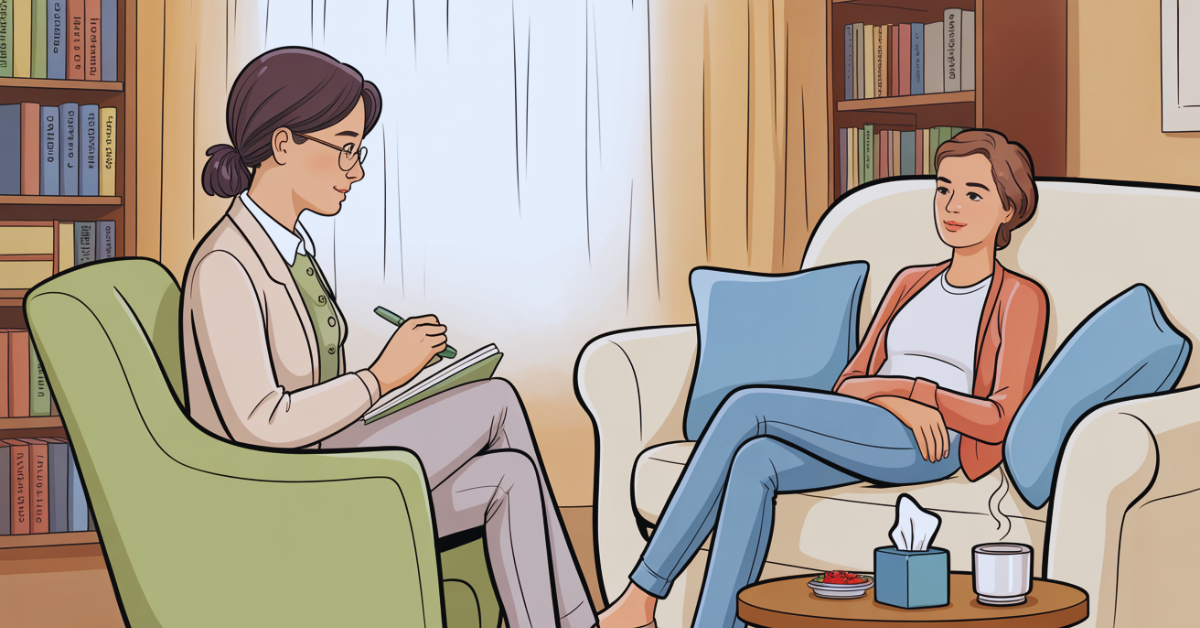
Psychotherapy and Cognitive Behavioral Therapy
Talk therapy (psychotherapy) is often the first step for anxiety disorders. Cognitive Behavioral Therapy (CBT) is the most researched and, honestly, it’s pretty practical. It helps you spot those unhelpful thoughts and replace them with more realistic ones.
CBT also leans on behavioral therapy tricks like exposure exercises. That means gradually facing the stuff you’re scared of instead of dodging it. It’s tough at first, but over time, it chips away at the fear.
Sessions are pretty structured and usually last 12 to 16 weeks. Some folks come back for booster sessions to keep their skills sharp.
CBT’s got a solid track record for things like generalized anxiety disorder, panic disorder, social anxiety disorder, and obsessive-compulsive disorder. It works in both one-on-one and group formats, so there’s some flexibility (Cleveland Clinic).
Medication: Antianxiety Medications and Antidepressants
Medication can be a lifesaver when anxiety’s really getting in the way. Doctors often go with antidepressants, especially selective serotonin reuptake inhibitors (SSRIs), for the long haul. These tweaks affect brain chemistry tied to mood and anxiety.
Antianxiety meds like benzodiazepines kick in fast, but they can be habit-forming, so doctors are careful with them. Buspirone is another option for ongoing anxiety, with less risk of dependence, but not everyone responds the same (Mayo Clinic).
Usually, meds work best alongside therapy. Doctors will tweak the plan based on side effects, your medical history, and any other mental health stuff that’s in the mix.
Natural and Lifestyle Approaches
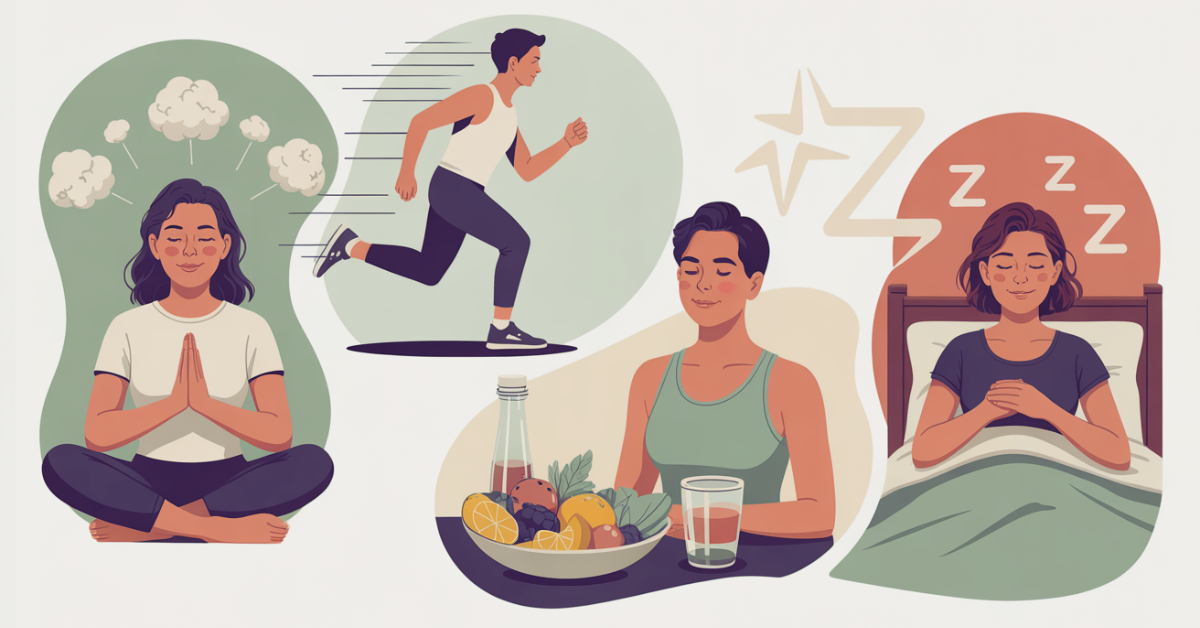
A lot of people want to manage anxiety in more natural ways, too. Regular exercise is massive for balancing mood and dialing down stress hormones. Eating well, getting decent sleep, and cutting back on caffeine or booze can also help keep things steady.
Mindfulness and meditation help train your mind to actually be present, which can break the cycle of negative thinking that anxiety loves to feed on.
There’s some interest in supplements and herbal remedies, but honestly, the research isn’t all that solid. If you’re thinking about trying something natural, it’s smart to check in with a healthcare provider first, just to be safe.
Lifestyle changes aren’t a replacement for medical care, but they can give therapy and meds a little extra boost.
Daily Coping Skills and Relaxation Techniques
Coping skills give people tools to manage anxiety in daily life. Relaxation techniques, such as deep breathing, progressive muscle relaxation, or guided imagery, can ease physical tension, especially when you remember actually to use them.
Sticking to some routine with meals, exercise, and sleep tends to help with stability, though let’s be honest, it’s not always easy. Journaling might sound cliché, but jotting down what stresses you out can sometimes reveal patterns you didn’t expect.
Mindfulness practices like body scans or mindful walking can help put a little distance between you and your anxious thoughts. And hey, small habits like cutting back on screens before bed or just taking a second to appreciate something good really can make a difference over time.
You don’t have to be perfect with any of this. These are just practical skills that fit alongside therapy or medication, and honestly, they’re worth a try.

Leave a Reply