Mental health affects every person’s thoughts, feelings, and daily actions. It shapes how people handle stress, make decisions, and connect with others. Mental health is the state of a person’s emotional, psychological, and social well-being, which influences how they think, feel, and behave in everyday situations.
Many people confuse mental health with mental illness, but they are different concepts. Mental health exists on a spectrum that ranges from good to poor. Everyone has mental health, just like everyone has physical health.
Understanding mental health basics helps people recognize warning signs and take steps to protect their well-being. Good mental health allows people to cope with life’s challenges, work productively, and maintain healthy relationships. Poor mental health can make daily tasks feel overwhelming and affect a person’s quality of life.
Key Takeaways
- Mental health encompasses emotional, psychological, and social well-being and influences how people think and act.
- Everyone has mental health that can range from good to poor, separate from mental illness.
- Taking care of mental health helps people handle stress and maintain healthy relationships.
Understanding Mental Health: Core Concepts
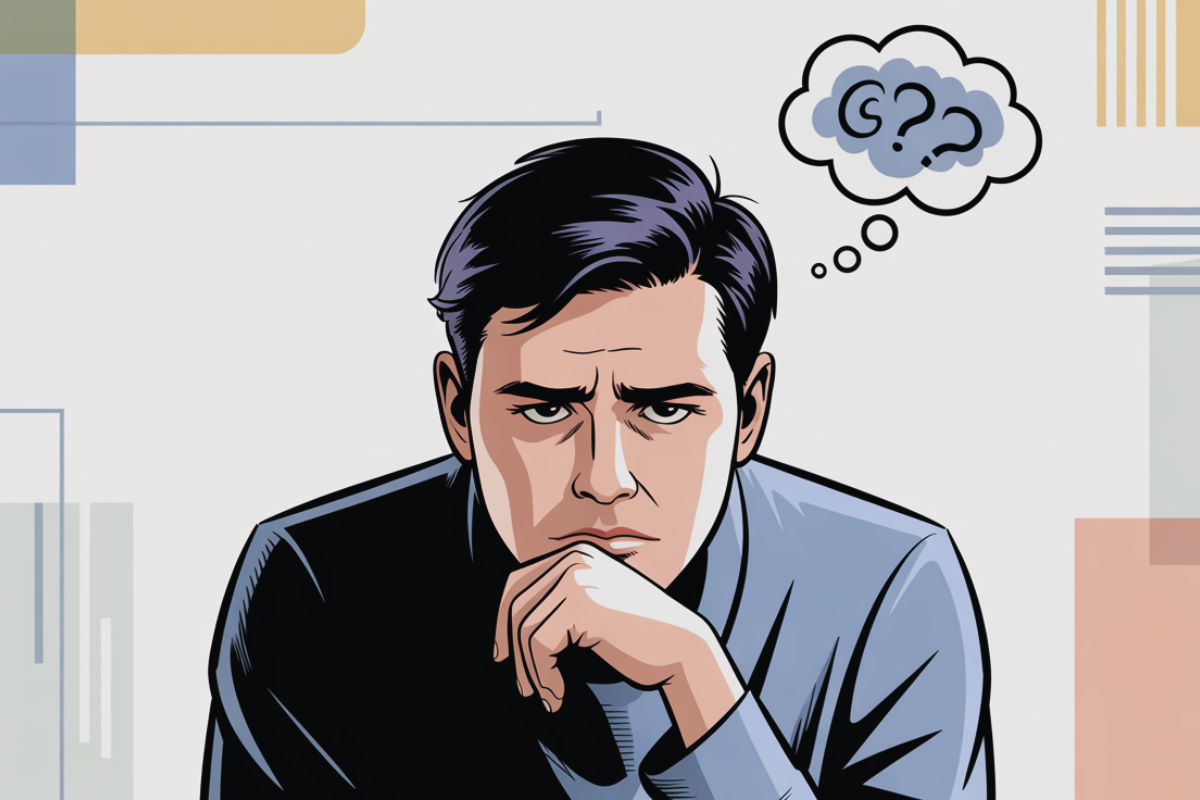
Mental health affects how people think, feel, and act in daily life. It includes emotional balance, stress management, and the ability to form healthy relationships with others.
Mental Health Explained in Simple Terms
Mental health refers to a person’s emotional, psychological, and social well-being. It affects how individuals think, feel, and behave each day.
Good mental health helps individuals manage stress more effectively. It enables them to work effectively and make sound decisions. People with strong mental health can also build meaningful relationships.
Mental health exists on a spectrum. Most people experience fluctuations in mood and stress levels. This is normal and expected.
Key aspects of mental health include:
- Managing emotions in healthy ways
- Coping with daily stress and challenges
- Maintaining relationships with family and friends
- Making decisions that support personal goals
- Adapting to changes and setbacks
Mental health affects everyone throughout their entire lives. It changes based on life events, stress levels, and physical health. Taking care of mental health is just as important as taking care of physical health.
The Basics of Emotional and Psychological Well-Being
Emotional well-being means understanding and managing feelings in healthy ways. People with good emotional health can express their emotions appropriately. They also bounce back from difficult situations.
Psychological health involves how the mind processes information and makes decisions. It includes memory, concentration, and problem-solving skills. Strong psychological health helps people learn new things and adapt to change.
Signs of good emotional and psychological well-being:
- Feeling confident in most situations
- Managing anger and frustration without hurting others
- Enjoying activities and hobbies
- Sleeping well most nights
- Focusing on tasks at work or school
Both emotional and psychological health work together. When one area struggles, it often affects the other. For example, high stress can make it harder to concentrate and remember things.
People can improve their emotional and psychological health through regular exercise, good sleep habits, and social connections. Learning healthy coping skills also makes a big difference.
Mental Health Versus Mental Illness
As I mentioned before, mental health refers to overall well-being, while mental illness involves specific medical conditions. Mental health can be good, fair, or poor at different times. Mental illness occurs when symptoms interfere with daily life for weeks or months.
Common mental health conditions include:
- Depression
- Anxiety disorders
- Bipolar disorder
- Post-traumatic stress disorder (PTSD)
- Eating disorders
A person can have a mental health condition and still maintain good overall mental health. Treatment helps people manage symptoms and live fulfilling lives.
Mental health conditions are real medical problems. They are not character flaws or signs of weakness. These conditions respond well to proper treatment from healthcare professionals.
Understanding this difference helps reduce stigma around mental health conditions. It also encourages people to seek help when they need support.
How Mental Health Influences Daily Life
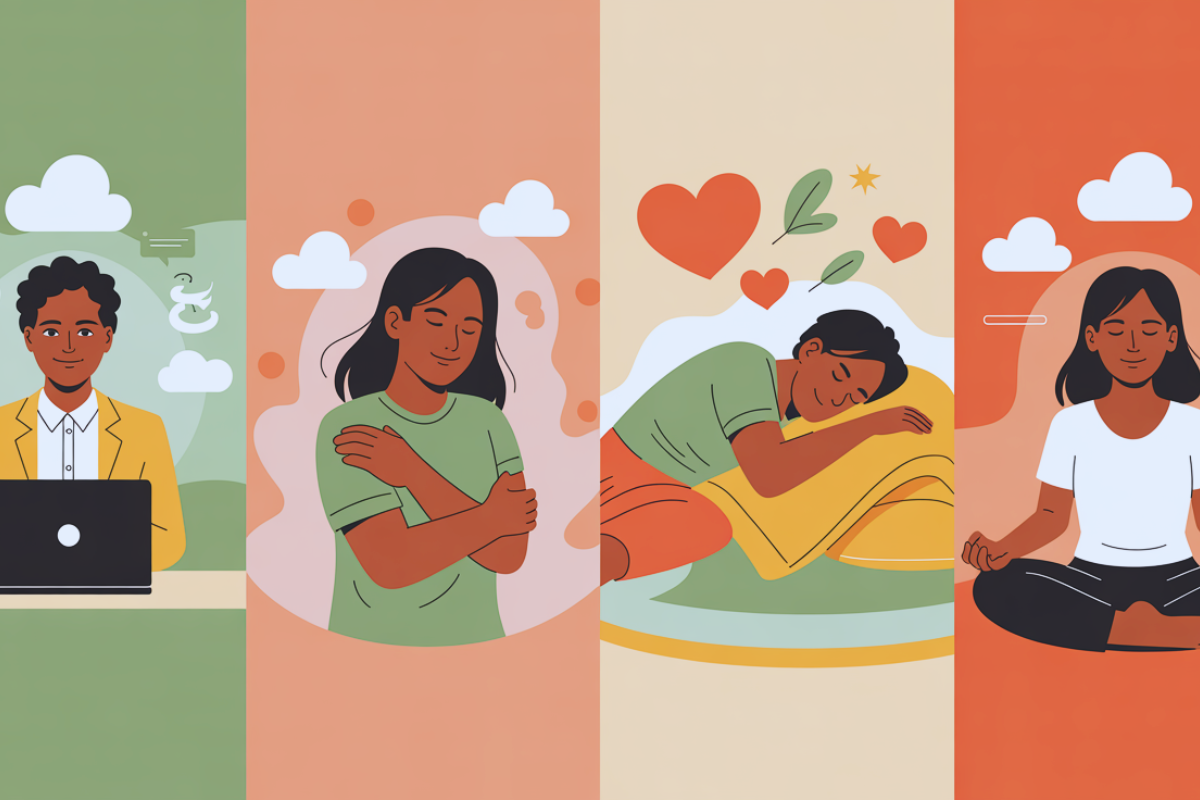
Mental health affects how people think, feel, and act in their everyday lives. It affects physical health, relationships, and changes as people age.
Impact on Thoughts, Emotions, and Behaviors
Good mental health helps people think clearly and make better decisions. When someone feels mentally well, they can focus on tasks at work or school. They solve problems more easily.
Poor mental health makes thinking harder. People might forget things more often. They may have trouble paying attention or making choices.
Emotions change based on mental health, too. Someone with good mental well-being experiences happiness, calmness, or excitement at appropriate times. They can handle sad or angry feelings without being overwhelmed.
When mental health suffers, emotions become harder to control. Small problems might cause significant reactions. People may feel sad, worried, or angry more often than usual.
Behaviors also change with mental health. Good mental health leads to healthy habits like eating well and staying active. People with strong mental well-being communicate better with others.
Poor mental health can cause harmful behaviors. Someone might eat too much or too little. They may avoid friends and family. Some people turn to drugs or alcohol to cope.
Effects on Physical Health and Social Well-Being
Mental health directly affects physical health. Stress and worry can cause headaches, stomach problems, and muscle pain. Poor mental health weakens the immune system, making people sick more often.
Good mental well-being supports the body’s strength. People sleep better when they feel mentally healthy. They have more energy for exercise and daily activities.
Social well-being depends heavily on mental health. When people feel good mentally, they enjoy spending time with friends and family. They participate in activities and build strong relationships.
Poor mental health hurts social connections. People may isolate themselves or have trouble communicating. They might miss social events or struggle to maintain friendships.
Work and school performance also suffer when mental health declines. People may call in sick more often or have trouble completing tasks. Good mental health improves productivity and job satisfaction.
Mental Health Throughout Life Stages
Mental health needs change as people age. Children require support to develop emotional skills and to cope with new experiences. They depend on adults to help them understand their feelings.
Teenagers face unique mental health challenges. Their brains are still developing while they handle school stress and social pressure. Many mental health conditions first appear during teenage years.
Adults must balance work, family, and personal responsibilities. Stress from these demands can impact mental well-being. Life changes like marriage, divorce, or job loss affect mental health.
Older adults face different challenges. Health problems, loss of loved ones, and retirement can impact mental health. However, many older people report high levels of life satisfaction and emotional stability.
Each life stage requires different approaches to maintaining good mental health. What works for a teenager may not help an older adult. Understanding these differences allows individuals to get appropriate support.
Key Factors Influencing Mental Health
Mental health depends on three main areas: a person’s genes and brain chemistry, past experiences including trauma, and their surroundings and relationships. These factors interact to shape how individuals think, feel, and manage daily challenges.
The Role of Genetics and Biology
Genetics plays a significant role in mental health. People can inherit a higher risk for conditions like depression, anxiety, or bipolar disorder from their parents.
However, having these genes does not mean someone will definitely develop a mental health condition. It just makes them more likely to do so.
Brain chemistry also affects mental health. The brain uses neurotransmitters to transmit signals between neurons. When these chemicals are out of balance, it can lead to mental health problems.
Some people are born with brains that make too much or too little of certain chemicals. Others develop imbalances due to stress, illness, or medication.
Physical health connects to mental health, too. Chronic illnesses, hormone changes, and sleep problems can all affect mood and thinking.
Trauma and Life Experiences
Trauma has a strong impact on mental health. This includes events like abuse, accidents, violence, or losing a loved one. These experiences can change how the brain works and responds to stress.
Childhood trauma is especially harmful. It can affect brain development and lead to mental health issues later in life. Adults who experienced trauma as children often struggle with anxiety, depression, or trust issues.
Major life changes can also affect mental health. Examples include:
- Losing a job
- Getting divorced
- Moving to a new place
- Starting school
Even positive changes, such as getting married or having a baby, can cause stress. How well someone handles these changes depends on their coping skills and support system.
Environmental and Social Influences
Social connections are vital for good mental health. People need supportive relationships with family, friends, and community members. Loneliness and isolation can lead to depression and anxiety.
Economic factors also matter. Poverty, job stress, and financial worries can harm mental health. People with stable income and housing tend to have better social well-being.
Cultural background shapes how people view and express mental health. Some cultures are more open about mental health struggles, while others view them as shameful.
The neighborhood where someone lives also affects their mental health. Safe communities with good schools and services support better mental health outcomes.
Common Mental Health Conditions
Mental health conditions affect millions of people worldwide and can impact thoughts, feelings, and behaviors. Depression causes persistent sadness, anxiety creates excessive worry, and bipolar disorder involves extreme mood swings.
Depression and Its Effects
Depression is more than feeling sad for a few days. It causes lasting feelings of sadness, hopelessness, and loss of interest in activities.
Common symptoms include:
- Feeling sad or empty most days
- Loss of interest in hobbies or activities
- Changes in sleep patterns
- Feeling tired or having no energy
- Difficulty concentrating
- Changes in appetite or weight
Depression affects how people think about themselves and their future. Many people with depression feel worthless or guilty without clear reasons.
The condition can make daily tasks feel overwhelming. Simple activities, such as getting dressed or preparing meals, become difficult.
Depression impacts work, school, and relationships. People may miss work often or struggle to maintain friendships. Treatment options include therapy, medication, and lifestyle changes that can help people feel better.
Understanding Anxiety Disorders
Anxiety disorders cause excessive worry and fear that interfere with daily life. These feelings are much stronger than normal nervousness.
Types of anxiety disorders include:
- Generalized anxiety disorder – constant worry about many things
- Panic disorder – sudden, intense fear attacks
- Social anxiety – fear of social situations
- Specific phobias – extreme fear of certain objects or situations
Physical symptoms often accompany anxiety. People may experience rapid heartbeat, sweating, shaking, or difficulty breathing.
Anxiety can make people avoid situations that trigger their fears. This avoidance can limit their activities and opportunities.
The condition affects concentration and decision-making. People with anxiety disorders often worry about things that are unlikely to happen. Treatment includes therapeutic interventions and, in some cases, medication to reduce symptoms.
Bipolar Disorder: Signs and Symptoms
Bipolar disorder causes extreme mood swings between highs and lows. These mood changes are more severe than typical fluctuations.
Manic episodes include:
- Feeling extremely happy or energetic
- Needing less sleep than usual
- Talking very fast
- Making risky decisions
- Having unrealistic beliefs about abilities
Depressive episodes involve:
- Deep sadness or hopelessness
- Loss of interest in activities
- Sleeping too much or too little
- Difficulty concentrating
These mood episodes can last days, weeks, or months. Between episodes, people may feel normal or have mild symptoms.
Bipolar disorder often starts in late teens or early adulthood. Family history increases the risk of developing this condition. Proper treatment helps people manage symptoms and live stable lives.
Other Mental Health Diagnoses
Many other mental health conditions affect people’s daily lives. Each condition has unique symptoms and treatment approaches.
Post-traumatic stress disorder (PTSD) develops after experiencing or witnessing traumatic events. People may have flashbacks, nightmares, or avoid reminders of the trauma.
Obsessive-compulsive disorder (OCD) causes unwanted thoughts and repetitive behaviors. People feel they must perform specific actions to reduce anxiety.
Attention-deficit hyperactivity disorder (ADHD) affects focus and activity levels. People may have trouble paying attention or sitting still.
Eating disorders involve unhealthy relationships with food and body image. These include anorexia, bulimia, and binge eating disorder.
Each condition requires proper diagnosis from mental health professionals. Treatment plans are tailored to individual needs and may include therapy, medication, or both.
Building and Maintaining Good Mental Health
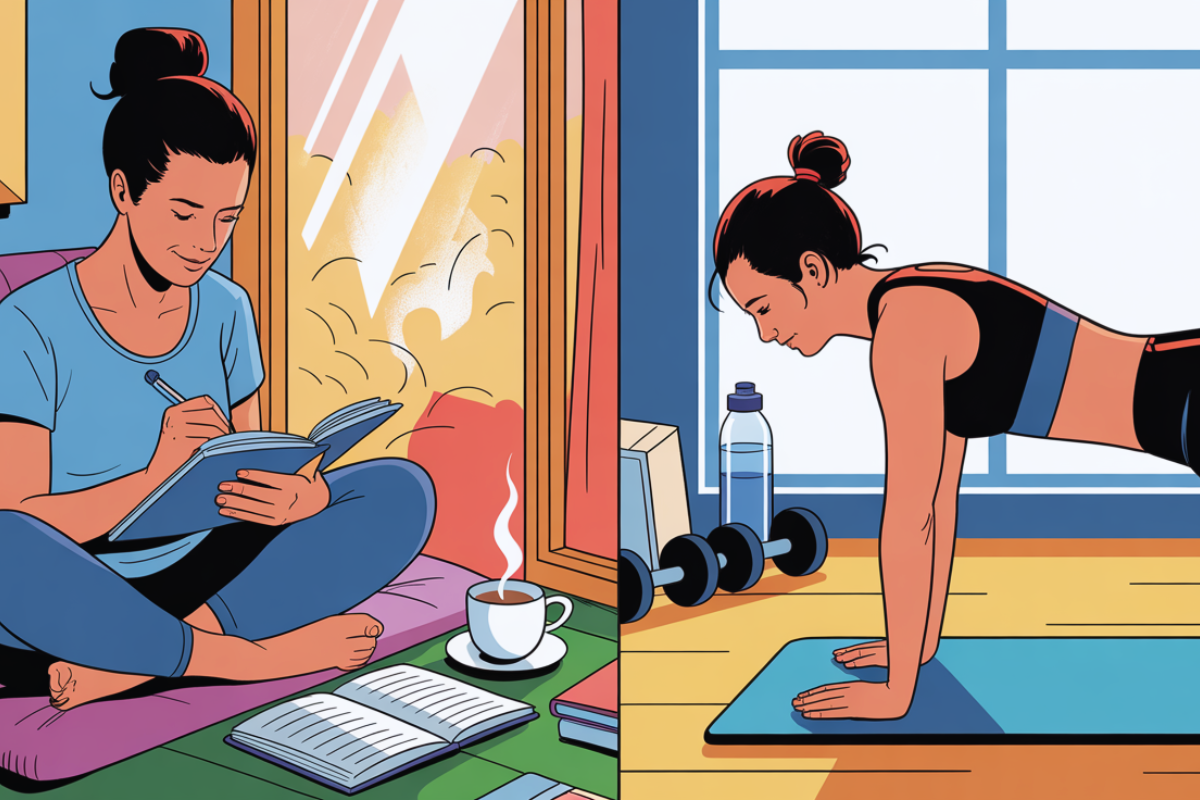
Good mental health requires daily attention and specific practices. Key areas include developing self-awareness, creating healthy routines, and building strong relationships with others.
Self-Awareness and Mindfulness Practices
Self-awareness refers to understanding one’s thoughts, feelings, and reactions. This skill helps people recognize stress early and make better choices.
Daily mindfulness activities include:
- Deep breathing for 5-10 minutes
- Writing in a journal each morning
- Body scan exercises
- Meditation using apps or videos
Mindfulness practices help individuals remain present rather than worrying about the future. Even three minutes of focused breathing can reduce stress levels.
People should notice their emotional patterns throughout the day. Tracking moods in a simple notebook helps identify triggers and warning signs.
Signs to watch for:
- Changes in sleep patterns
- Increased irritability
- Loss of interest in activities
- Difficulty concentrating
Regular self-reflection builds mental well-being over time. People who practice mindfulness report feeling more in control of their emotions.
Daily Habits for Mental Well-Being
Consistent daily routines support mental health. Small changes in everyday habits can make a big difference in how people feel.
Essential daily habits:
| Morning | Afternoon | Evening |
|---|---|---|
| Regular wake time | Physical activity | Wind-down routine |
| Healthy breakfast | Time outdoors | Limited screen time |
| Positive affirmations | Hydration breaks | Consistent bedtime |
Physical activity boosts mood naturally. Even a 10-minute walk can improve mental well-being for several hours.
Sleep affects mental health directly. Adults need 7-9 hours of sleep each night for their brains to function well.
Nutrition also plays a role in mental health. Eating regular meals with fruits, vegetables, and whole grains provides brain fuel.
Setting small, achievable goals each day builds confidence. People feel a sense of accomplishment when they complete tasks, even simple ones like making the bed.
Social Support and Relationships
Strong relationships protect mental health. People with strong social connections manage stress more effectively and recover more quickly from difficult times.
Ways to build social well-being:
- Schedule regular calls with family or friends
- Join clubs or groups with similar interests
- Volunteer in the community
- Practice active listening with others
Quality matters more than quantity in relationships. Having two close friends provides more support than many casual acquaintances.
People should communicate their needs clearly to others. Asking for help is a sign of strength, not weakness.
Healthy relationship signs:
- Mutual respect and trust
- Open communication
- Emotional support during hard times
- Shared activities and interests
Setting boundaries protects mental health. People can decline requests that cause excessive stress or drain their energy.
Professional counselors offer additional support when needed. Therapy provides tools and strategies that friends and family cannot always provide.
Coping Strategies and Stress Management
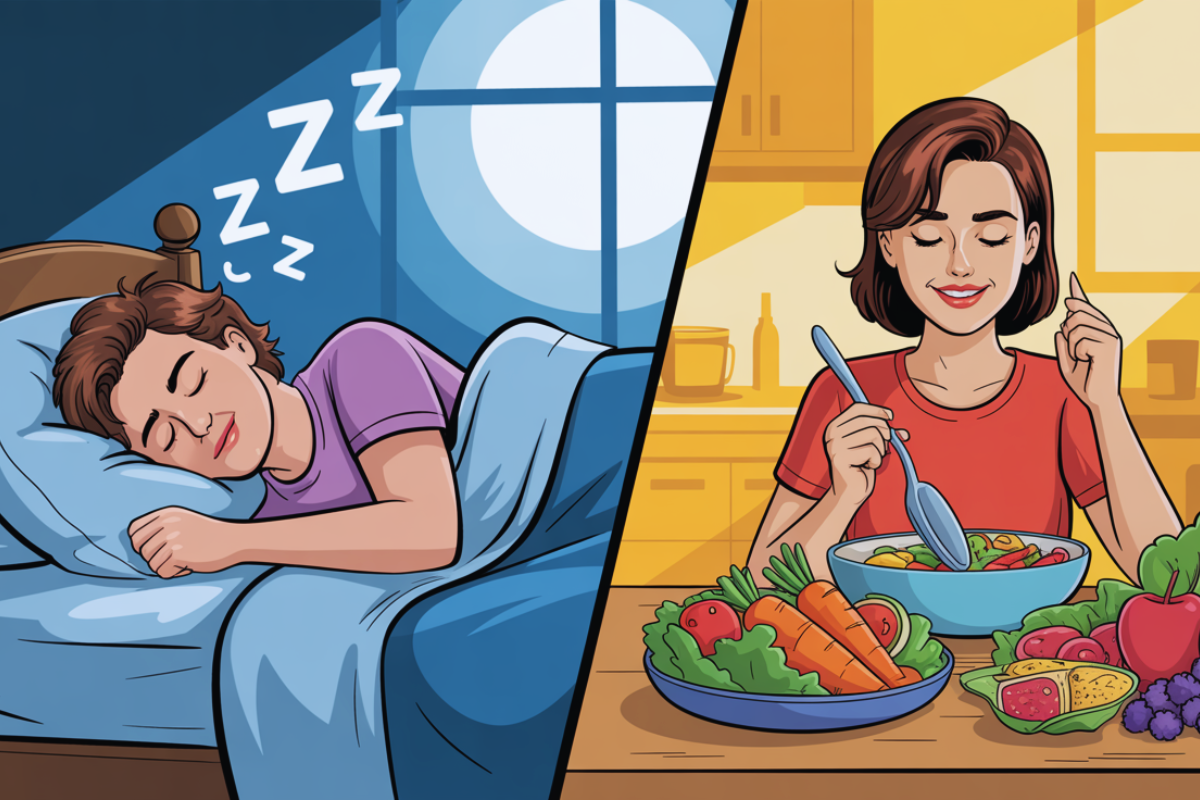
Learning healthy ways to handle stress and difficult emotions helps people feel better and function well in daily life. Different methods work for different people, and finding the right tools takes time and practice.
Effective Coping Methods
People use various strategies to manage challenging situations and emotions. Some methods help in the moment, while others build long-term strength.
Healthy coping methods include:
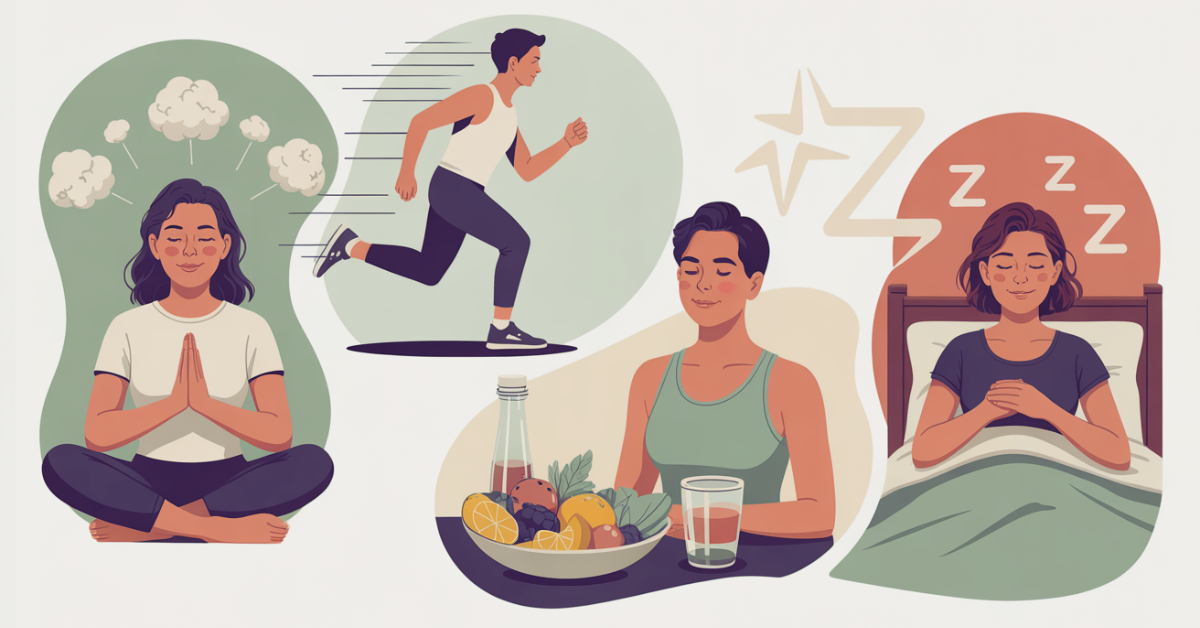
- Deep breathing exercises
- Regular physical activity
- Talking to trusted friends or family
- Writing in a journal
- Getting enough sleep
- Eating nutritious foods
Problem-focused coping means taking action to fix the source of stress. This might involve developing a plan, seeking assistance, or changing the situation.
Emotion-focused coping helps manage feelings when the problem cannot be changed. This includes accepting the situation and finding ways to feel calmer.
Some people try unhealthy coping methods like drinking too much, avoiding problems altogether, or hurting themselves. These methods might feel better at first, but cause more problems later.
Managing Stress and Anxiety
Stress happens when people feel pressure or worry about things in their lives. Everyone experiences stress at times, but excessive stress can harm both the mind and the body.
Common stress signs include:
- Racing thoughts
- Trouble sleeping
- Muscle tension
- Feeling overwhelmed
- Changes in appetite
Stress management techniques that are effective include setting realistic goals and breaking large tasks into smaller steps. People can also practice declining additional responsibilities when they already have too much to handle.
Anxiety feels like constant worry or fear about future events. It can make daily activities harder to complete.
Regular exercise helps reduce both stress and anxiety. Even a short walk can affect how someone feels.
Adapting to Change and Overcoming Challenges
Life brings many changes, and some are more difficult to manage than others. People who adapt well to change usually have better mental health.
Building flexibility means accepting that change is normal and seeking the positive in new situations. It also helps to focus on what a person can control instead of worrying about things they cannot change.
Overcoming challenges becomes easier when problems are broken into smaller pieces. They can address one part at a time rather than feeling overwhelmed by everything at once.
Building support networks makes difficult times easier to handle. This means having people to talk to when difficulties arise.
People can also practice self-compassion by treating themselves with kindness when they make mistakes or face setbacks. Being harsh with oneself makes challenges harder to overcome.
Seeking Help and Professional Support
Mental health professionals offer a range of treatment options to help individuals manage their conditions. Knowing when to seek help and understanding available treatments can facilitate recovery.
When to See a Mental Health Professional
People should consider seeing a mental health professional when symptoms interfere with daily life. This includes difficulty sleeping, changes in eating, or difficulty focusing at work or school.
Warning signs also include persistent sadness lasting more than two weeks. Thoughts of self-harm or suicide require immediate professional help.
Friends and family may first notice behavioral changes. They may see increased isolation, mood swings, or loss of interest in activities.
Many people wait too long to seek help. Early treatment often leads to better outcomes for mental health conditions.
A primary care doctor can provide referrals to mental health specialists. Insurance companies also maintain lists of covered providers in local areas.
Therapy and Types of Treatments
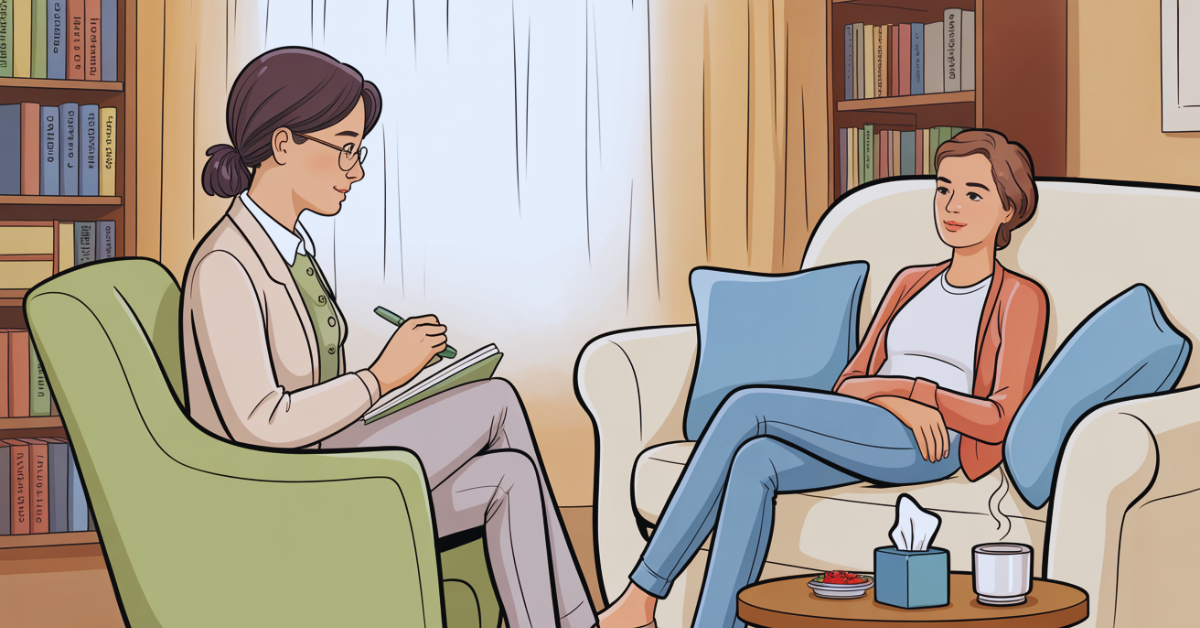
Therapy involves discussing thoughts, feelings, and behaviors with a trained professional. Different types of therapy work better for specific mental health conditions.
Cognitive behavioral therapy helps people change negative thinking patterns. It teaches new ways to handle stress and solve problems.
Talk therapy allows people to discuss their concerns in a safe space. The therapist listens and offers guidance without judgment.
Group therapy brings together people with similar challenges. Participants share experiences and learn from each other.
Family therapy includes relatives in the treatment process. This approach helps improve communication and relationships at home.
Medication and Other Interventions
Doctors may prescribe medication to help manage symptoms of mental health conditions. These medicines work by changing brain chemistry.
Antidepressants treat depression and some anxiety disorders. Anti-anxiety medications provide short-term relief from panic and worry.
Mood stabilizers help people with bipolar disorder. Antipsychotic medications treat conditions like schizophrenia.
Other interventions include lifestyle changes such as regular exercise and improved sleep habits. Support groups connect people with others facing similar challenges.
Some people benefit from combining medication with therapy. A treatment team collaborates to develop the best plan for each person.
Reducing Stigma and Promoting Mental Health Awareness
Mental health stigma creates barriers that prevent people from seeking help. Supporting others and educating communities can help dismantle harmful beliefs and foster positive change.
Understanding Mental Health Stigma
Stigma happens when people have negative beliefs about mental health conditions. These false ideas make people with mental illness feel ashamed or embarrassed.
Common myths include thinking mental illness is a personal weakness. Some people believe those with mental health problems are dangerous or unpredictable.
Types of stigma include:
- Public stigma from society
- Self-stigma occurs when people believe negative thoughts about themselves
- Structural stigma in policies and institutions
Stigma stops people from getting treatment. They worry about losing their job or friends finding out. This fear makes mental health problems worse over time.
The media often shows mental illness in scary or wrong ways. Movies and TV shows create false images that spread fear and misunderstanding.
How to Support Others
Language matters when talking about mental health. Use person-first language like “person with depression” instead of “depressed person.”
Listen without judging when someone shares their struggles. Ask how they want to be supported rather than offering advice immediately.
Ways to show support:
- Check in regularly through text or calls
- Offer specific help like cooking meals or running errands
- Learn about their condition to better understand
- Respect their privacy and boundaries
Avoid saying things like “just think positive” or “everyone gets sad sometimes.” These comments make people feel worse and misunderstood.
Treat mental health the same as physical health. Nobody would tell someone with diabetes to “just get over it.”
Advocacy and Education
Speaking up for mental health awareness helps create change. Share accurate information on social media to fight false beliefs.
Schools and workplaces need mental health education programs. These teach people the facts about mental illness and available treatments.
Advocacy actions include:
- Contacting lawmakers about mental health funding
- Volunteering with mental health organizations
- Sharing personal stories to reduce shame
- Supporting mental health policies in communities
Education starts with learning the facts. Mental illness affects one in five adults each year. Treatment works, and people recover.
Encourage open conversations about mental health. The more people discuss it, the less frightening it becomes for others.

Leave a Reply